Why Some Toy Lines Are Cooling Off—And Others Are Heating Up
In some areas, the toy market is booming! In other areas, the toy market is cooling off. Some toy lines spark popularity like never before while others steadily decline. Today, adults make up ¼ of total toy sales. From pop culture reboots and the surge in nostalgia through these, more “kidults” are purchasing toys.
For instance, Mattel sparked again after the release of the Barbie movie, LEGO has been releasing more sets catered toward adults, Hasbro revived Furby, and Nintendo has a growing interest with the classic NES releases. Along with the surge in adults buying toys, today, kids watch youtubers that make and build things in real time, encouraging them to be creative and do the same.
A new top goal for toy companies includes being intergenerational and selling toys that appeal to preschoolers, adults, and everyone in between. With all of these recent changes, the toy market is showing some drastic shifts that cause prevalent sparks and declines. Follow along in our blog with us to see why some toy lines are cooling off and why others are heating up.
Follow Along to See Why Some Toy Lines Are Cooling Off and Others Are Heating Up
While some toy lines are cooling off in popularity and demand, others are heating up. Throughout our blog, we will mention reasons toy lines are cooling off. This includes the oversaturation of toy lines, economic pressure, generational shifts, and condition issues.
Along with this, we will mention reasons other toy lines are heating up in popularity and demand. Those reasons include the growth of forgotten and niche toy lines, rarity and scarcity, and the expansion of graded toys. Follow along in our blog with us as we now begin to dive into each of these factors and explain why some toys sparked more in popularity and why others have declined.
Why Some Toy Lines Are Cooling Off
Toy lines cool off from ever-shifting buyer interests. If there is no demand or the demand is low, toy lines begin to cool off in popularity and sales. With the toy market constantly changing in ways, some toy lines show declines from distinguishing reasons. Follow along in the next part of our blog as we dive into a few of these main reasons.
Oversaturation of Toy Lines
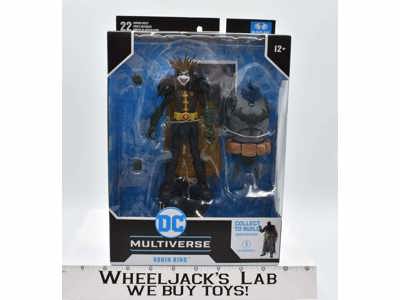
Some toy companies continue to release new toy lines of the same characters. Some release just slight variations, making the toy market oversaturated with the same items. While sometimes these reboots and variations of original toys spark new popularity, continuing to release the same items often makes the originals lose their character and unique factor.
Along with this, oversaturation of toy lines causes the market to flood and people to grow fatigued and tired of the same items. It can cause these toy lines to cool off while the demand for them decreases. While the toys may have hit initial popularity, when they keep releasing over and over again, the demand for these typically decreases as the unique and rare factor also goes down.
When toy companies rerelease collector lines too frequently, the collector value gets damaged. The secondary market also shows major drawbacks with these toys as risks pile up. With multiple of the same toy releasing over different years, the chances of getting items mixed up on the secondary market rises as items sell for too less or too much money. Because of this, many people are more cautious of purchasing toys with characters that have released so many times, making the demand for them decrease more.
Some of these more modern versions of the classic characters hit more popularity than the originals as they often only cost a fraction of the price as the vintage items. With people purchasing these instead of the vintage items, the classics lose momentum and begin to cool off in popularity.
Economic Pressure
Another reason some toy lines are cooling off is due to more recent economic pressures and inflation. With the cost of living and everyday essentials increasing, people have less and less money for disposable income to spend on things such as display-only collectibles that cost hundreds to thousands of dollars.
While many collectors search a long time for the specific item they desire to have and save up for it or sell another collectible item to purchase it, others can’t afford the item they want due to inflation and have trouble growing their collection.
As mentioned above, with the new reboots releasing, some of these collectors that can’t afford the high valued vintage collectibles turn to these cheaper modern releases. The decrease in expendable money for so many people also has an effect on the mid-tier toy lines. Toy lines that fall between high end and low end are losing momentum with people purchasing the lower end items or saving up for the high end ones.
Generational Shifts
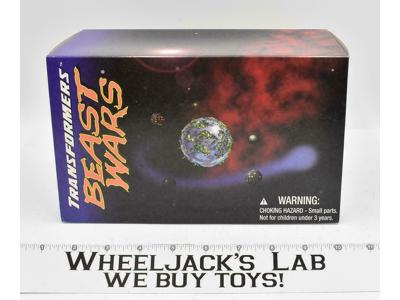
In the past couple of decades, the primary buyers for 1970s to 1980s toys were those who were kids during that time. Through these past couple of decades, these adults were at their prime time to purchase these toys as many were at their peak for having expendable money and space to store their collectibles.
Also, these adults were still at a peak for their nostalgia. As their kids grew up and they began having grandchildren, many adults from this generation sought back to their childhoods in nostalgia for the toys they loved playing with while growing up. However, as this generation ages and many collectors have finished their collection, the buyer pool for these items is shrinking and younger generations are stepping in.
While those toys from the 1980s became vintage in the early 2000s as they hit the 20 year mark, many toys from the 1990s and early 2000s are now vintage themselves. With Millennials and older Gen Z now reaching the point in their lives where they search for items from their childhoods out of nostalgia and are willing to pay higher amounts of money for them, the demand for some of these items also rises as the demand begins to rise.
While many people search for the old toys they owned growing up, there is now a recent surge for 2000s toys that people are discovering as a form of exploration through social media and aesthetics.
Condition Issues
Condition and quality issues for vintage items is always something to consider. However, some specific toy lines over time have shown more wear than others as they have failed to stand the test of time. Though these toys may remain popular as a franchise, many collectors are hesitant to purchase them as they know the brand’s reputation of making low-quality items that last up to a couple decades before inevitably breaking.
Some of these toys break while they remain in their original packaging. Over time, rubber bands snap and plastic grows weaker. Clear and white plastic can yellow and accessories can break easily. Many vintage toys stand the test of time and remain in great condition when taken care of well. However, some certain items have shown to be much more prone to damage regardless.
Why Some Toy Lines Are Heating Up
Similarly to the toy lines that are cooling off, those that are heating up are driven by the demand of buyers. When the popularity of toy lines and specific items rises, the demand for them rises as well. Along with this, the value for them rises with the demand causing more people to invest in specific items.
Forgotten and Niche Toy Lines
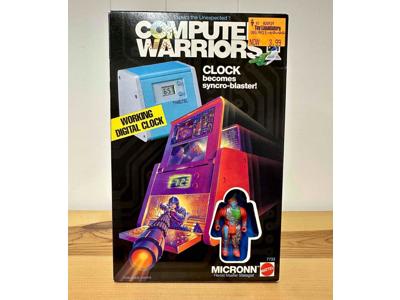
Many collectors are actively straying away from the mainstream and highly popular toy lines. Instead, they are gravitating towards the very unique and forgotten toy lines. With groups of collectors all doing the same thing and searching for the same forgotten niche toy lines, the demand for these rises.
Many of these forgotten toy lines didn’t rise to popularity and less people remember owning them. Because of this, many of these forgotten toy lines only ran for a short amount of time which makes the market for them now even more rare.
With less people aware of these forgotten toy lines than the mainstream ones, the nostalgia almost seems higher. These lesser-known toys completely capture the hearts of people who played with them growing up. Some collectors have found great monetary profit from these lesser-known toy lines as well. With mint condition items becoming harder and harder to find as time goes on, collectors who purchase the lesser-known vintage toys before the demand for them spikes end up gaining a great profit when they go to sell them.
Another reason these forgotten and niche toy lines have heated up is due to creators on social media and YouTube making content of rare and forgotten toys. These content creators spark nostalgia in viewers watching and encourage new fans to search out the items to add to their collections.
Rarity and Condition Scarcity
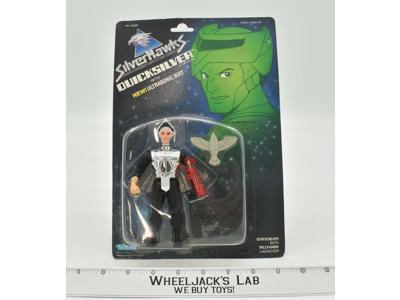
While condition issues in certain toy lines cause them to decrease in popularity, toy lines with items in great condition spark incredible popularity and value. Since the toys that were released in the 1970s and 1980s are now over 40 to 50 years old, the remaining toys in mint condition continue to grow rarer.
Toys are designed, made, and meant to be played with. When kids get a toy as a gift, they tear it open and start playing with it. From this, after production of these toys, the mint items were already so much more scarce than the loose toys that have been played with. Today, these mint-in-box and mint-on-card items are incredibly rare.
Collectors all around the world search for toys in mint condition to add to their collections. The demand for these rises, making them heat up in popularity and value drastically. Toys undergo a lot of environmental damage as well when not taken care of properly.
From this, even vintage toys that remain in their unopened and original condition often get damaged and lose value. Popular, rare, and mint condition toys within a toy line are the ones that really heat up.
Expansion of Graded Toys
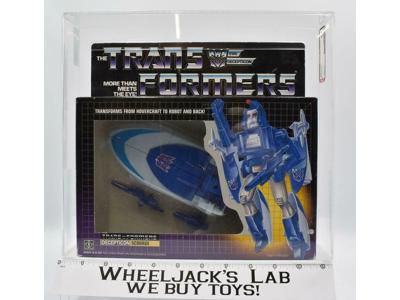
In the early 2000s, grading companies started and became popularized. Grading companies changed the condition evaluating process for vintage toys and collectibles across the board. They set a standard grading scale done by experts that cleared up the questions from grading previously.
Before grading companies standardized the grading process, it was up to each individual person to grade their own items which ended up being very subjective and left items being sold for too much or too little. From this, buyers often questioned the real condition of the item. However, when grading companies started up and grew, over the years they have become more and more popular. The expansion of graded toys helps the vintage toy market within toy lines to grow their popularity and demand.
Since mint condition toys are so high in demand and are so rare, graded mint toys are incredibly valuable. When a toy is sent to a grading company, the toy gets evaluated and receives an accurate grade by unbiased experts. The toy also receives authentication with paperwork showing that the company did the grading which helps when selling the toy to build trust with potential buyers.
Along with this, professionally graded toys get sent back enclosed in a custom acrylic case. This acrylic case keeps the toy protected from environmental damage which is very attractive to a lot of serious collectors who invest in high valued items to receive a profit in future years.
Final Thoughts
From oversaturation and new reboots to a large generational shift in toys, the demand for certain items decreases. On the flip side, so many people from each generation- especially adults- have begun to search out more toy lines. From the expansion of more graded toys to extreme rarity and scarcity, these factors draw up the popularity and demand for many other toys. Though the toy market shifts through changes, it remains ever-growing as toys continue to spark the hearts of many.
Do You Have Old or Used Toys?
Don’t let your collection sit in storage gathering dust—turn it into cash! At Wheeljack’s Lab, we specialize in evaluating and buying vintage and used toys, from single standouts to entire collections.
Our friendly, expert team has decades of hands-on experience in collectible toys, so you can expect honest evaluations and a smooth process from start to finish. Ready to sell? Call us at 888-946-2895 and let’s get started.
About the Owner, Chris Ingledue
Chris is the founder and owner of Wheeljack’s Lab Pop Culture and Toy Shop. His vision has always been to reconnect collectors with the toys and pop culture that shaped their childhoods—sparking memories, nostalgia, and imagination along the way.
Each day in the “Lab” feels like Christmas year-round. From scouring the internet for the next great treasure—much like flipping through the Sears Catalog of years past—to eagerly awaiting the postman’s arrival like Santa himself, Chris lives and breathes the thrill of the hunt. Helping collectors around the world experience their own version of Christmas is what makes being a vintage toy buyer an absolute joy.