What Makes a Toy "Rare"— And What Doesn't
Toys have taken different forms, shapes, and designs throughout the years. Billions and billions of toys have been made and handed to children all over the world. They capture their hearts and allow them to use their imaginations to explore different worlds and places through fun play. While many toys are played with until they break, others have stood the test of time and have lasted as mint condition, rare vintage toys.
Does a toy being vintage make it rare, though, or is it something else? What truly makes a toy “rare” and what doesn’t? Stick around in our blog with us as we dive into a total of four factors that make toys rare as well as four factors that do not make toys rare.
Join Us in Seeing What Truly Makes a Toy Rare
Follow along in our blog with us as we first mention the factors that do make a toy rare. These include mint condition, limited production, manufacturing errors and variants, as well as unique designs and materials.
Next, we will mention the factors that do not make a toy rare. These include the date of release, “limited edition” marketing, mass production, and damage or missing parts. Join us in seeing these different factors and search your own collection to see if your toys truly are rare!
What Makes a Toy Rare
There are many factors that go into why a toy is rare. In our blog today we will mention the importance of condition as well as design and amount released versus amount still in circulation. All of these factors will help determine whether or not a toy is rare.
Mint-in-Box (MIB) or Mint-on-Card (MOC)
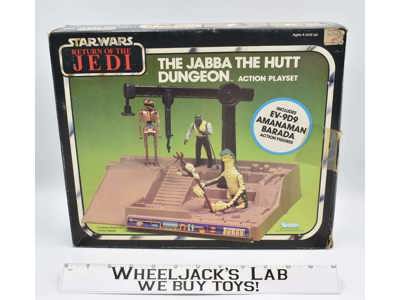
First up, the condition of a toy matters greatly. When looking for a rare toy, the condition plays a huge factor. With any toy, they are made to be opened and played with. Many toys don’t remain in good condition loose, much less mint-in-box or mint-on-card and factory sealed. Because of this, complete toys that remain in their factory sealed boxes with all accessories and in good condition without any wear are typically high in value and are seen as incredibly rare.
Over time, many toys undergo damage that is incredibly common. This includes damage from UV, dust, temperature changes, humidity, handling, poor materials, pests, and even common play over time.
When a toy sits in direct sunlight over periods of time, it begins to yellow the plastic and become brittle. Along with this, when toys are left loose and on a shelf, they become dusty which can scratch the surface of the toy or box and fade colors. The dust with humidity can also create a layer of grime that becomes very difficult to clean without damaging it further. .
Temperature changes and humidity can also cause warping and harm to both the toy and its packaging. Especially for vintage toys, it is shown over time when a toy isn’t made with high quality materials and starts to wear down and break on its own.
Storage is also important as many toys that lay out loose on shelves and are frequently played with or handled roughly and show damage. From this, very little toys- whether they are vintage or modern- last in mint factory condition. Those that remain in this condition are incredibly rare and highly desired by collectors and enthusiasts all around the world.
Limited Production
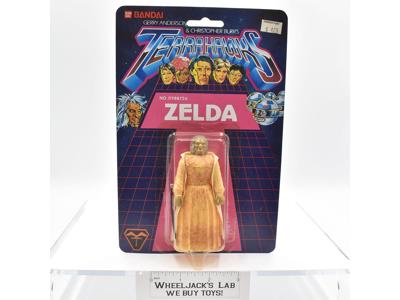
Another way toys are rare is from limited production toy lines. Some of these toy lines were intentionally released for a short time while others discontinued early due to lack of initial popularity, bankruptcy, and other reasons.
Many of these toys are also very rare due to the lack of mass production. With low amounts of items made and released, they become harder to find. Sometimes these toy lines had limited production from their lack of initial popularity at the time of their release.
When this happens, some of the toys included in those toy lines become desired by toy collectors later and the demand for them rises as forgotten rare toys. Many times, these limited production toy lines become even more desired as time goes on as the already rare toys become even rarer.
Manufacturing Errors and Variants
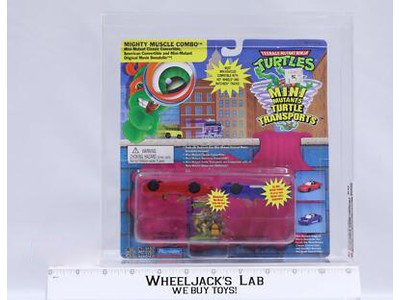
Some toy lines see errors through the manufacturing process as any mistakes that happen with the materials used, different colors on the toy, and misprints in words on the box, tag, or labeling.
Many different errors can take place through manufacturing and these make for incredibly rare and highly desired items. When these errors take place, they are often stopped before too many are made and hardly ever make it to production. Yet, when they do, or when one seeps through the cracks, they become highly desired as one-of-a-kind items and incredibly rare errored toys.
Along the same lines as manufacturing errors, variants appear as unique toys from a company but are intentional, not errors. Variants happen when a toy company intentionally releases a different version of an already existing toy for a short period of time.
Other variants may include items released for the same toy line or franchise but in a different country or region. These end up as variants as different toy companies and factories in the world have different materials and capabilities. While a toy company that produces G.I. Joe figures in the U.S. may have certain machinery and materials at their disposal, a toy company in Mexico that produces G.I. Joe figures may not have the same ones.
Because of this, variants happen where a toy appears slightly different in different regions or a toy company releases a new version of a toy for a short time. One example of this is a toy company using a hard plastic for a hard headed figure rather than a soft pvc for a soft headed figure only for a short time.
Unique Designs and Materials
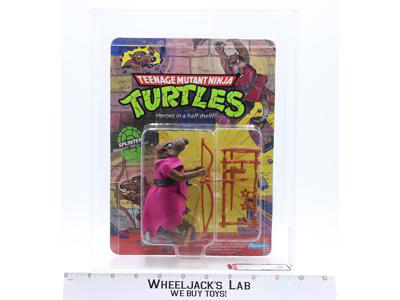
Lastly, unique designs and materials make rare toys. These can be harder to detect if you are unfamiliar with different toy lines and how they are made. However, they are very appealing to collectors and toy enthusiasts as they search for rare items to purchase.
As mentioned previously, sometimes toy companies release variants that may include using a different material or design such as the hard versus soft head action figures. However, other times, toy companies simply use unique materials that other toy companies typically don’t use. They may also use unique designs on their toys that collectors see as rare since other toy companies don’t look similar.
Another example is with the toy line Computer Warriors. This toy line was released along with the animated cartoon pilot that never launched a full season. It featured toys that were shaped like normal objects that would be seen in a kids room such as a soccer ball, flashlight, and a science textbook.
These objects were secretly disguising a small figure inside or would transform into a vehicle for one of the computer warriors figures to sit in. These toys are sought out by many collectors and are seen as rare, not only for their short run, but also for their unique look and creative design.
What Doesn't Make a Toy Rare
While many vintage toys today are seen as rare for the various reasons listed above, not all vintage toys are rare or are high in value. Continue following along in our blog with us as we mention factors such as the date of release, limited edition, mass production, and damaged toys that play into a vintage or modern toy actually being more common than expected.
Date of Release
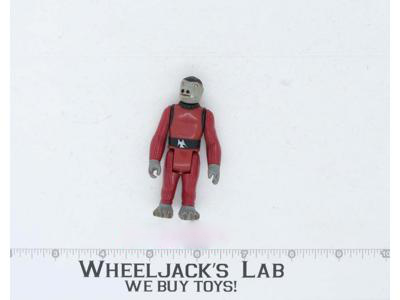
First up, we will mention the date of release. This can often be found printed somewhere on the toy- typically in a discreet place on the bottom of a figure’s foot or on the underside of a vehicle.
While the date of release definitely plays a factor into rarity to some degree since older toys usually get damaged over the years and don’t last long in good condition or just in general, it is not the end-all for rarity.
Additionally, something that was released 20 years ago from one toy line may end up being more rare than something from another toy line that was released 40 years ago. The date is important to consider and to look into but it doesn’t always make a toy rare just by being released a certain amount of years ago.
"Limted Edition" Marketing
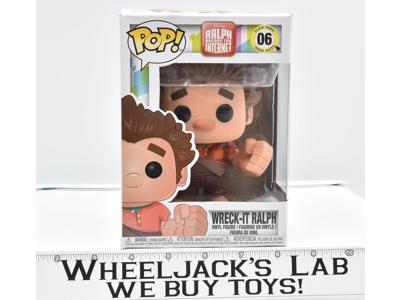
We will now dive into the "limited edition" labeled items. These can sometimes be rare but other times, companies use the "limited edition" title as a marketing strategy to make it seem like the item is rare. The companies that do this typically make their entire brand based off of limited editions such as Funko and Beanie Babies.
These companies market "limited edition" while mass producing the items. Even when these items are limited edition and only release for a short amount of time, there are so many in circulation from mass productions that these toys aren't really seen as rare.
The "limited edition" marking on the toy or packaging is sometimes a bit deceptive and puts out the impression that a toy is incredibly rare and will be worth a lot of money. While this is the case sometimes, it is important to note that some of these are not as rare and many hold a worth of under $50.
Mass Production
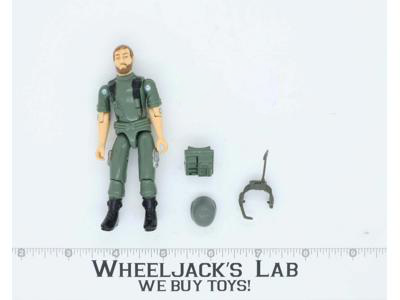
Though we mentioned a bit about mass production earlier in this blog, we will now dive even deeper. Mass production doesn’t make toys rare as companies literally release hundreds of thousands of identical items. Because of this, even with a date of release decades ago, mass produced items have a much higher chance of keeping items in circulation years later.
Such as the G.I. Joe figure pictured above, many of these mass produced items even from the 1970s are only worth a few dollars today. While some of these toys are worth hundreds and even thousands of dollars, mass production is something to look out for when it comes to the rarity of a toy as few hold factors that make them super rare.
Damage and Missing Parts
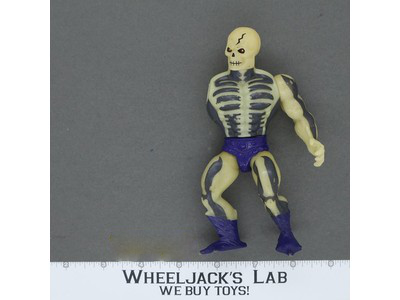
The last reason for why a toy isn't necessarily rare is found in the condition. As mentioned above, the condition of a toy is one thing that can make it incredbly rare. If it remains in great condition over long periods of time, it is most likely a very rare item.
However, many toys get damaged and broken or are missing pieces. Becase of this, the toys that are in great condition are rare but many of the other loose toys and broken toys aren't as rare and don't sell for high amounts of money.
Collectors search for items in good condition that they can add to their collections, not typically broken ones that don't include all pieces or have chipped paint and no original packaging. Since so many toys from both mass and limited produced toy lines end up getting damaged, those that are damaged are in the majority rather than the rare minority.
Final Thoughts
While some toys can appear to be rare and actually aren't, some others have factors that make them incredibly rare. Many of these rare items are high in value, though not all of them are. Likewise, a mass produced and non-rare item may actually end up with a higher value than a rare item.
Every toy is different, and the demand for items rises and lowers which makes the toy market booming for both rare and common items. Take a look in your collection or in your childhood storage and see what possible rare gems you didn't know you owned.
Do You Have Old or Used Toys?
Don’t let your collection sit in storage gathering dust—turn it into cash! At Wheeljack’s Lab, we specialize in evaluating and buying vintage and used toys, from single standouts to entire collections.
Our friendly, expert team has decades of hands-on experience in collectible toys, so you can expect honest evaluations and a smooth process from start to finish. Ready to sell? Call us at 888-946-2895 and let’s get started.
About the Owner, Chris Ingledue
Chris is the founder and owner of Wheeljack’s Lab Pop Culture and Toy Shop. His vision has always been to reconnect collectors with the toys and pop culture that shaped their childhoods—sparking memories, nostalgia, and imagination along the way.
Each day in the “Lab” feels like Christmas year-round. From scouring the internet for the next great treasure—much like flipping through the Sears Catalog of years past—to eagerly awaiting the postman’s arrival like Santa himself, Chris lives and breathes the thrill of the hunt. Helping collectors around the world experience their own version of Christmas is what makes being a vintage toy buyer an absolute joy.