Should You Grade Your Toys? Pros and Cons
Toy grading through companies began in 2000 with the establishment of the Action Figure Authority (AFA) under the Collectible Grading Authority (CGA). Toy grading changed the system from subjective to objective and standardized across the board.
Prior to AFA and other toy grading companies, collectors used their own discernment to see the condition of an item and grade it themselves. Since this varies from person to person, it leaves questions of authenticity and integrity. However, toy grading companies are not always the best option for the toys you may have.
These companies have standards to accept toys for grading to keep their company running smoothly. Toy grading is highly beneficial to many collectors but is not suited for every single toy. So, which toys should get graded and which toys should not get graded? Follow along in our blog with us to see the pros and cons of toy grading.
Should You Grade Your Toys? Follow Along to See
Join us throughout our blog to see if you should grade your toys. See the many pros and cons to toy grading to determine if the toys in your collection are well suited for grading. We will mention why toy grading is beneficial including increased value, preservation, authenitcation, easier sales, better display, and storage.
Along with this, we will also mention why toy grading may not be suitable for your items such as high cost, no added value, receiving a low grade, wait times, and permanent sealing. Join us as we dive into each of these factors.
Why You Should Grade Your Toys: Pros
The first thing to note when sending your toy to get graded is the condition of your toy. Toy grading companies often only accept toys to grade in high condition. This includes mint condition toys and near mint condition toys. If your toy remains in its original packaging, unopened, and without wear or tear, then your toy is well suited for a grade.
Many toy companies require factory sealed items. To receive a grade at these locations, your toys need to remain the same way they were available at retail with the tape still intact and the package unopened. Double tape, or tape over the original tape, are typically not eligible for grading. When your toys meet this criteria, this is where the many pros of toy grading shine brightly and collectors benefit from the grading process.
Increased Value
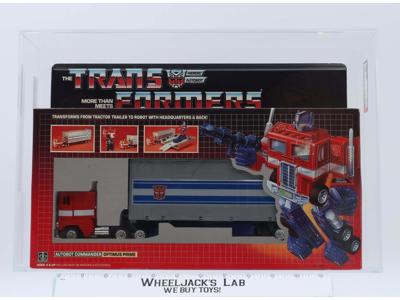
When sending in a mint toy for grading, it may receive a high grade which will add value to your toy. When selling, other toy buyers will see your toy with a high grade and notice its condition as marked by a well known grading company. They will notice the standardized grade and the demand for this item will most likely rise, increasing the value as well.
Along with this, toy grading allows the toys to last for much longer in their mint condition. Because of this, even if the collector doesn’t sell the item right away, the value will continue to increase over time due to the unchanging condition.
Though it costs money to ship it to a grading company, when the toy returns with a high grade and authentication, the demand for this item often increases, actually adding more value to your toy than before sending it.
Preservation
Another reason you should grade your toys is for preservation. Through the toy grading process, grading companies place your items into acrylic packaging that preserves their condition for many years to come.
These acrylic cases are tamper-evident and museum quality, keeping them from environmental damage. Sunlight and UV rays cause damage to toys over time by discoloration, dust build up on toys causes grime and scratching on paint, and humidity or moisture in the air causes warping and other discoloration and harm. With all of these environmental factors, the high quality toys in acrylic cases remain free from any harm that hinders their value.
Authentication
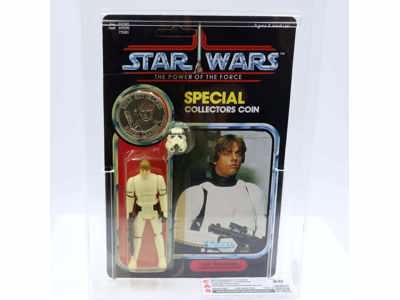
Authentication acts as another pro for why you should grade your toys. Authentication on vintage toys often also adds value and increases the integrity of the seller. When a toy gets graded, they receive authentication from the toy grading company with a sticker on the inside of the acrylic packaging.
It shows authentication as well through the documentation papers that come with the return of your item. When buyers see that your item is encased in acrylic packaging with the sticker and documentation that tells of its condition, this authenticity from the well known toy grading company keeps the item high in demand and away from fraud.
Through the grading process, employees verify the accessories, toy, and packaging to make sure they are originals. Through this verification, the collector has assurance that his/her toy is completely original as well as allowing any potential buyers in the future to trust the authentication and stay away from fraud or integrity issues.
Easier Sales
Sending your toy to get graded can often make for easier sales. Collectors all around the world desire these items to add to their collection and are willing to pay high amounts of money for them due to their condition, preservation, and authentication.
These authenticated toys from grading companies liquidate easier as they are kept at their high value and often increase over time. Many collectors also purchase these toys with the intention of liquidating them after their value increases more.
These graded items also sell much easier due to the subjective grading scale. Graded items build buyer trust much quicker as authentication and acrylic protection keep from scams.
Better Display and Storage
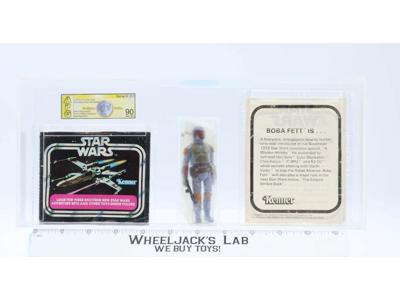
Lastly, grading your toys allows for better display and storage options. The acrylic packaging keeps items from environmental damage but also allows the collector to see the entire toy front, back, and sides while remaining in the protected casing.
The acrylic creates a striking display while also keeping your items from any damage that would otherwise occur when toys sit on the shelves loose or in their original packaging without acrylic. The acrylic packaging also keeps items from breaking during repositioning on a shelf, rough handling, and even fingerprints.
Along with this, many collectors store their toys rather than displaying them. With this, graded items also store better as they remain in acrylic packaging and keep from getting crushed by other toys. They also stack well and are free from environmental damage.
Why You Should Not Grade Your Toys: Cons
As mentioned above, your toy needs to be in mint condition in order to receive a high grade from a toy grading company. Unless the goal of grading your toy is to receive a profit from reselling, sending your toy to a grading company may not be worth it. Continue following along in our blog with us as we mention the reasons you should not grade your toys.
High Cost
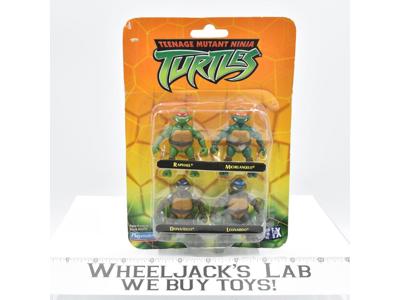
One reason to not grade your toys is the high cost. Sending your toy to get graded costs money and is often quite expensive. Costs typically range from $45 to $200 per toy. While every toy is different, spending so much money on getting a toy graded while the toy itself isn’t worth that much money, will leave you paying more for it than receiving a profit.
Base grading fees for the CAS and AFA begin around $50 and go up to $100 or more. On top of that, additional fees may occur such as grading for larger items or collections. High valued items may also add additional fees. Along with these, shipping with tracking costs money and adds around $20 to $50 to the total. With these fees, sending a toy to be graded often costs well over $100.
Though this high cost is worth it for a lot of people with high condition and high valued items that they wish to resell for profit, many collectors find these costs too expensive. A popular alternative to keeping your vintage and modern toys in good condition and free from environmental damage is to purchase custom acrylic cases without the grading.
No Added Value
Another reason you should not grade your toys is if it doesn’t add any value to them. For instance, if your toy is originally worth $50 and after grading it rises to $75 but you paid $40 in grading costs, then you actually lost money and the grading process was not worth it. Though the grading process does add value to many mint items, it’s important to do research prior to sending your item to receive a grade to see if you will receive a profit or not.
Another thing to consider is the market demand. Even if your toy receives a high grade, if the item is not high in demand on the vintage toy market, collectors won’t pay high amounts of money for it. The value of any vintage toy lies not in the cash value but in the perceived value. While grading often adds value, if there is no demand, then there is no value.
Receiving a Low Grade
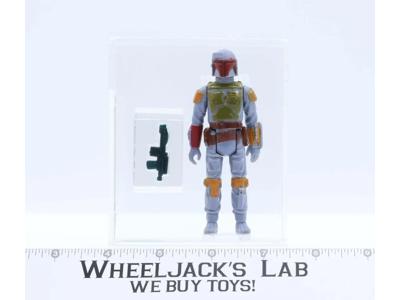
Receiving a low grade on a toy shows that the item is not in mint condition. Since a high grade is desired by collectors and adds value to a toy, a low grade often does nothing to the value and the owner ends up paying money to have it graded when it wasn’t beneficial.
High and premium grades on toys include an 80-100 or 8-10 depending on the point scale. Mid grades include 70-75 or a 7-7.5. These grades are typically the lowest a premium collector will purchase, if that. Typically anything under an 80 grade becomes significantly less desirable.
A 60-65 grade is seen as an item remaining in good condition, while anything under a 50 is seen as fair to poor condition. Collectors won’t end up paying high amounts of money for these items and the return price on them typically won’t match up with the original price plus the cost for grading.
Wait Times
Another con to grading your toys includes the turnaround wait times. Turnaround times generally range from 3 to 6 months but vary with company and service. Grading services also periodically halt certain types of toys such as action figures to catch up on any backlogs they may have.
These turnaround times can put a hindrance on a collector if they have a specific date they need it back by. Not checking with the company before mailing on turnaround times often leaves people at a stand-still and can be difficult to plan. Along with this, if you need an item back at a specific date, “walk-through” and “priority” fees may occur, costing you more money to get an item graded.
Permanently Sealed
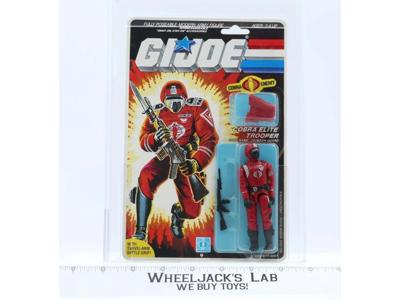
The last con we will mention to grading your toys is that toy grading companies permanently seal the items in acrylic. Though this does also keep items from environmental harm and keeps the value, it also acts as an “irreversible prison” for the toy that some collectors don’t enjoy.
For many toy hobbyists and collectors, they recognize that toys are meant to be played with. Though rough handling causes damage to toys, some people desire vintage toys for sentimental and nostalgic reasons.
They wish to display their loved toys in different positions by using their points of articulation and weapons. Some play with the toys and want them out of their original boxes. While the acrylic packaging acts as a preservable protectant, it removes the freedom to take the toy out.
Another reason the acrylic becomes a problem for some collectors is that the acrylic now becomes a factor into the value as well. Any scuffing, cracking, chipping, or scratches on the acrylic itself can decrease the value of the toy as a whole even if the toy itself remains in good condition.
Final Thoughts
There are many things to consider when it comes to sending your toy to a grading company. The condition of your toy to begin with plays the biggest factor since some grading companies won’t accept it to receive a grade if it’s not in mint condition.
Also, grading fees and wait times affect the value as well as the personal collector’s preferences. Research in all of these areas will ensure the best outcomes for deciding to send in your items to receive a grade.
Do You Have Old or Used Toys?
Don’t let your collection sit in storage gathering dust—turn it into cash! At Wheeljack’s Lab, we specialize in evaluating and buying vintage and used toys, from single standouts to entire collections.
Our friendly, expert team has decades of hands-on experience in collectible toys, so you can expect honest evaluations and a smooth process from start to finish. Ready to sell? Call us at 888-946-2895 and let’s get started.
About the Owner, Chris Ingledue
Chris is the founder and owner of Wheeljack’s Lab Pop Culture and Toy Shop. His vision has always been to reconnect collectors with the toys and pop culture that shaped their childhoods—sparking memories, nostalgia, and imagination along the way.
Each day in the “Lab” feels like Christmas year-round. From scouring the internet for the next great treasure—much like flipping through the Sears Catalog of years past—to eagerly awaiting the postman’s arrival like Santa himself, Chris lives and breathes the thrill of the hunt. Helping collectors around the world experience their own version of Christmas is what makes being a vintage toy buyer an absolute joy.