Mistakes People Make When Selling Their Toys for the First Time
First-time toy sellers sometimes misjudge how to properly list and sell their toys, leading to lower sales and profits. Many toys, especially vintage toys from the 60s, 70s, 80s, and 90s sell for high amounts of money as collectors all over the world search these toys out to add to their collections.
When so many people search out these toys, any mistakes by the seller can lead to dissapointements among buyers and even legal issues. These happen when the seller is not carefully listing something or when purposefully not making their listing correct in order to make more money.
So, how do you sell your toys without making mistakes? Follow along in our blog with us as we show the common mistakes people make when selling for the first time. You can read through and get familiar with these to avoid them yourself. Along with this, we will also give tips to help successfully sell your toys for the first time.
Follow Along to See Mistakes People Make When Selling for the First Time
Join us in our blog as we mention the most commonly found mistakes people make when selling their toys for the first time. This includes poor presentation, not cleaning toys properly, poor pricing, not understanding buyer expectations, and not properly storing items.
Along with this, we will mention how some people overlook platform fees, don't include documentation, misjudge items to sell as lots, and don't utilize available experts. All of these things have a negative impact on the selling and buying process. Continue following along to learn more about these and see how to avoid these common mistakes.
Poor Presentation
First up, not presenting your item well when selling it may keep top buyers from being interested in what you put up for sale. This includes poor photos of your item. If the photos are low quality or only of certain parts of the toy, people may assume you are hiding something.
Along with this, it becomes very difficult to see the item when the pictures are not clear which makes people often glance over tbese items and move on to a seller whose pictures are clear. Making sure your pictures are in a well-lit area is super important. Often times, pictures are the first thing people see online and will affect if someone even begins to be interested in the item being sold or not.
Also, taking pictures from every angle of the item helps to stay away from fraud if the seller is trying to hide a damaged spot on an item or misses taking a picture of an important part of the toy. Including all parts, instructions, boxes, and details of the item you sell in the pictures is crucial for setting you up for a successful sell.
Another aspect of poor presentation on the items you are listing includes the description. The description should include all flaws of your item as well as explanations of any documentation. It should mention the item name and year of release as well as any other valuable information that describes the toy.
Incomplete and weak descriptions makes it difficult for the buyer to see what is being sold. This also leads to disappointment if the buyer doesn't receive all parts in the mail or notices a flaw on the item that wasn't mentioned in the description or pictures. Items with weak descriptions become much less desireable for buyers than ones that include clear, thorough descriptions. Another mistake people make with their discriptions is forgetting to use key words. These help boost up your order and keep it from getting lost among the other sellers items.
Dirty Toys
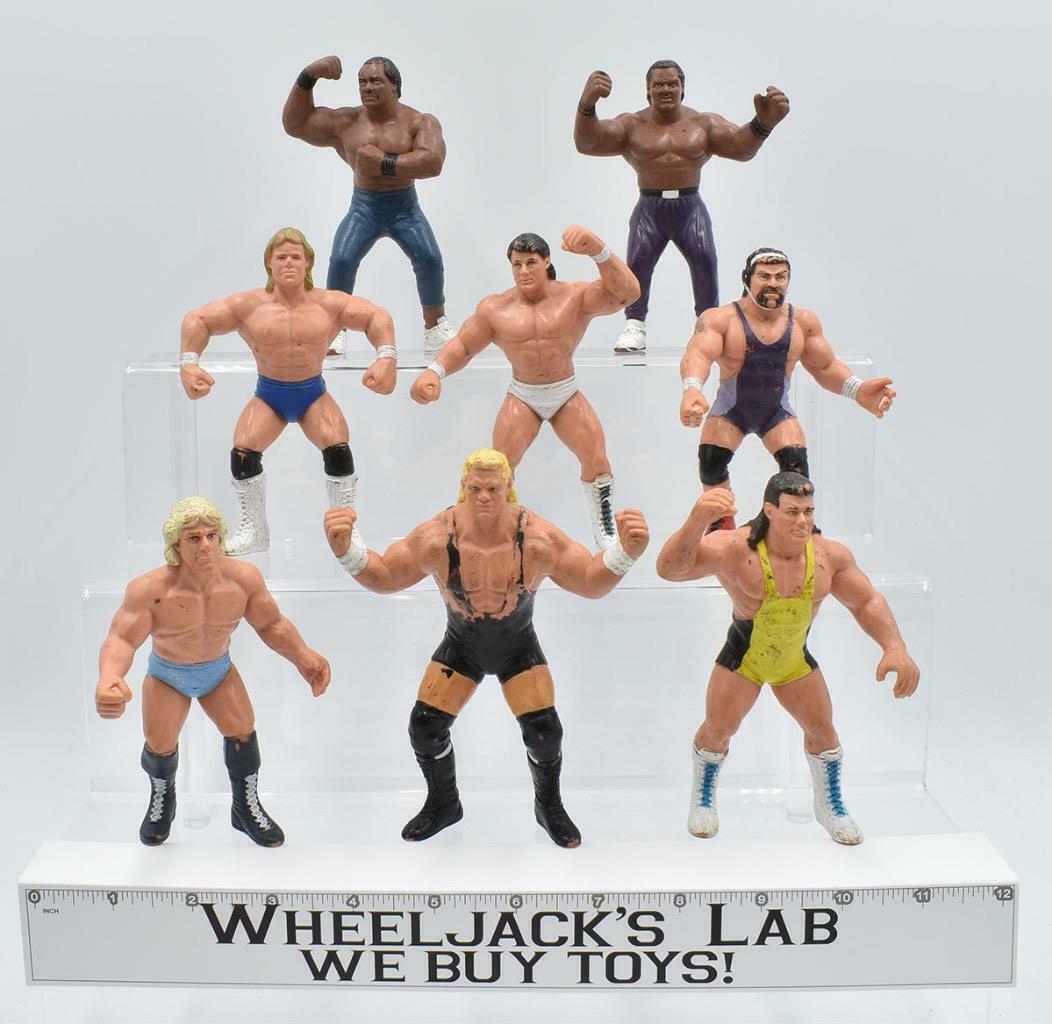
Another mistake people make when selling their toys for the first time is selling dirty toys. People may sell dirty toys out of the fear of damaging them more which will bring down the value. This is a valid point and if you damage your toy during cleaning, the value most likely will drop.
However, listing dirty toys is not appealing to a buyer and will most likely overlook your items and move on. You can learn to properly and carefully clean your toys before listing them so they look more appealing and in better condition. Also, since the condition of an item is so important to its value, dirty toys may be difficult to distinguish in the pictures where the real flaws are versus just something that needs to be wiped off.
Items such as the wrestlers pictured above get dirty easily but are very easy to clean as well. On the skin portion of the figure, the paint will not remove if you use nail polish and a cotton swab to remove any splotches of dirt or dust but will remove the paint if you do this on the colored parts of the figure. On these colored portions, a toothbrush and soapy water may help remove any other grime. Since the water will not seep into any cracks on these figures and fill the figure up with water, the possiblity of mold on these figures is not likely unlike some other action figures.
On items such as boxes and bubble packaged figures, a cleaning wipe or slightly damp rag may help remove any dust. Regardless of what item you clean, gently rubbing or dusting away any dirt is the best way to go about cleaning to avoid damaging your toys. Different materials on toys need different cleaning procedures so it is important to look into these before cleaning to ensure the best results.
Poor Pricing
Another mistake is not properly pricing your items. As mentioned above, many vintage toys today hold high values and sell for much more than some people expect, especially if the items remain in mint condition without damage. With this, thorough research prior to listing your toys is crucial.
Online tools such as our Wheeljack's Lab Action Figure Price List Guide and eBay help out tremendously to search what your specific item has sold for or is currently listed for across the internet. This way, you can properly list your item while confidently knowing of it's true value.
Also, asking experts how much your item costs can be very beneficial especially if you can't find your item online. Your item may be hard to find due to rarity and an expert can help estimate what it may be worth today based on his or her many years of knowledge and experience.
Pricing items too high or too low causes problems within the toy market for your items to sell well. If you overestimate the value of your items, many people will look over the toy you are selling and won't purchase it since it's price is way too high. On the other side, underestimating the value leaves people to either think something is wrong with it and not purchase it or immediately purchase your item to get an unreasonably low price that leaves you without a profit.
Not Understanding Buyer Expectations
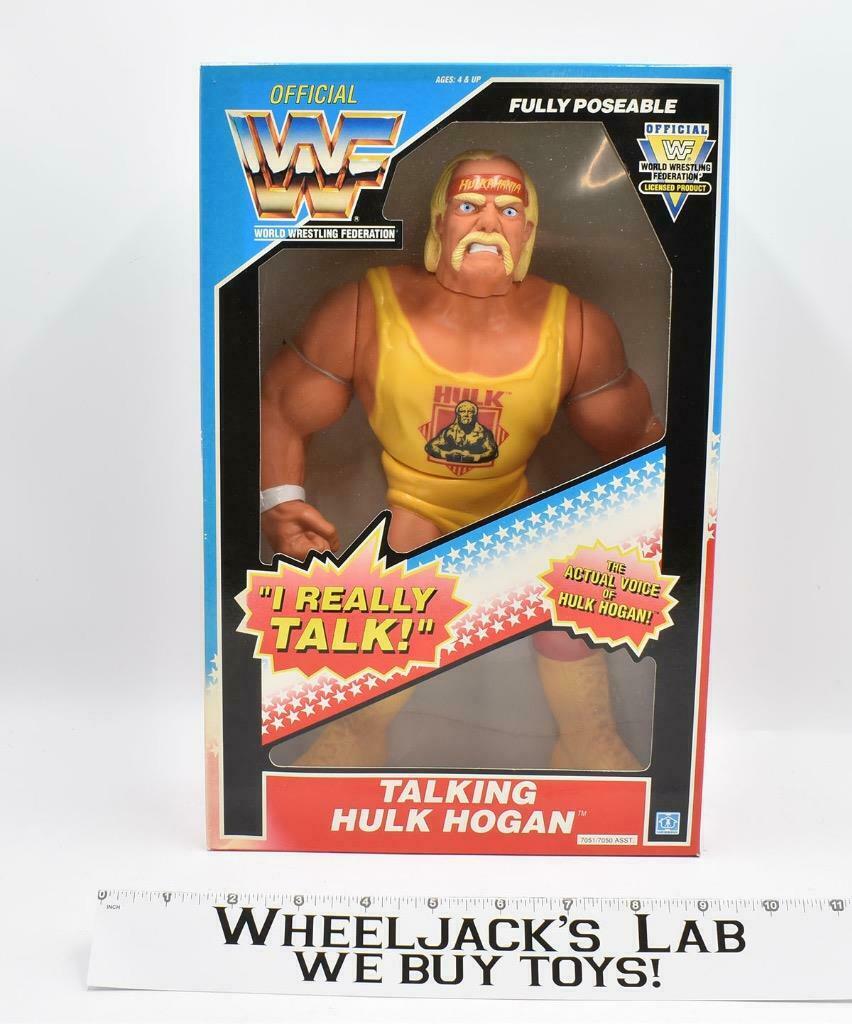
Misjudging or not understanding buyer expectations is another common mistake people make when selling for the first time. Understanding people's expectations includes knowing what they look for and want out of the toys they purchase. Most people know exactly what they want and exactly what they are looking for when searching for items online.
Most people don't simply browse but search all across the web for the specific items they want. If many of these items they desire are listed, making your listing the best gives confidence that someone will purchase it rather than your listing getting buried beneath all the other better listings.
Knowing the demand for items helps with this, too. For example, a good time to list some action figures of characters may be when the actor passes away or stars in a new movie. Similarily, when another toyline with the classic figures comes out, the original toy line may go up in demand and in value. These both are times when people may have these toys at the top of their mind and will be searching for them again. Misjudgung the demand and listing items at the wrong time such as overstocking for holidays can actually be detrimental to your profit and selling process.
Another thing to factor in is knowing whether or not your toys being listed are collectibles that will sit on display cases or in storage to keep their value or if they are items that will be played with and lose value. The date of the toys' release plays a big role in this. If the toys you are selling came out before the year 2000, often times people will look at these to add to their collections.
Also, if an item is super valueable, people use these items as investments to add to their collections and not as toys to play with. However, some newer and lower priced toys people purchase with the intention of their kids enjoying and playing with. Knowing this difference helps to understand the buyers expectations and helps to sell the item in the best way possible.
Not Properly Storing Toys
Storing items properly is always so important for keeping their value and all pieces together. However, this is also very important in between listing your item and shipping it out to its new owner. Probably the last thing you'd want is for the toy you are selling to undergo some damage during this time.
The value of the item will drop and you will have to contact the person that purchased it to see if he or she even still wants the toy sent to them and if you'll need to change the price or not. During this time period of waiting for it to be sold and to actually shipping it out to the buyer, toys should be in secure locations away from any harm that may damage them.
Loose action figures can be placed in ziplock bags to keep all little parts together and to keep it from dust, rough handling, etc. Then, playsets and vehicles can remain in boxes to seperate them since they are bigger items. This also helps to keep little parts and accessories from getting lost or broken. Items still in their original packaging should remain in their original packaging to keep their value and can be put away in totes to keep them from dust, sunlight, and rough handling in the meantime.
Overlooking Platform Fees
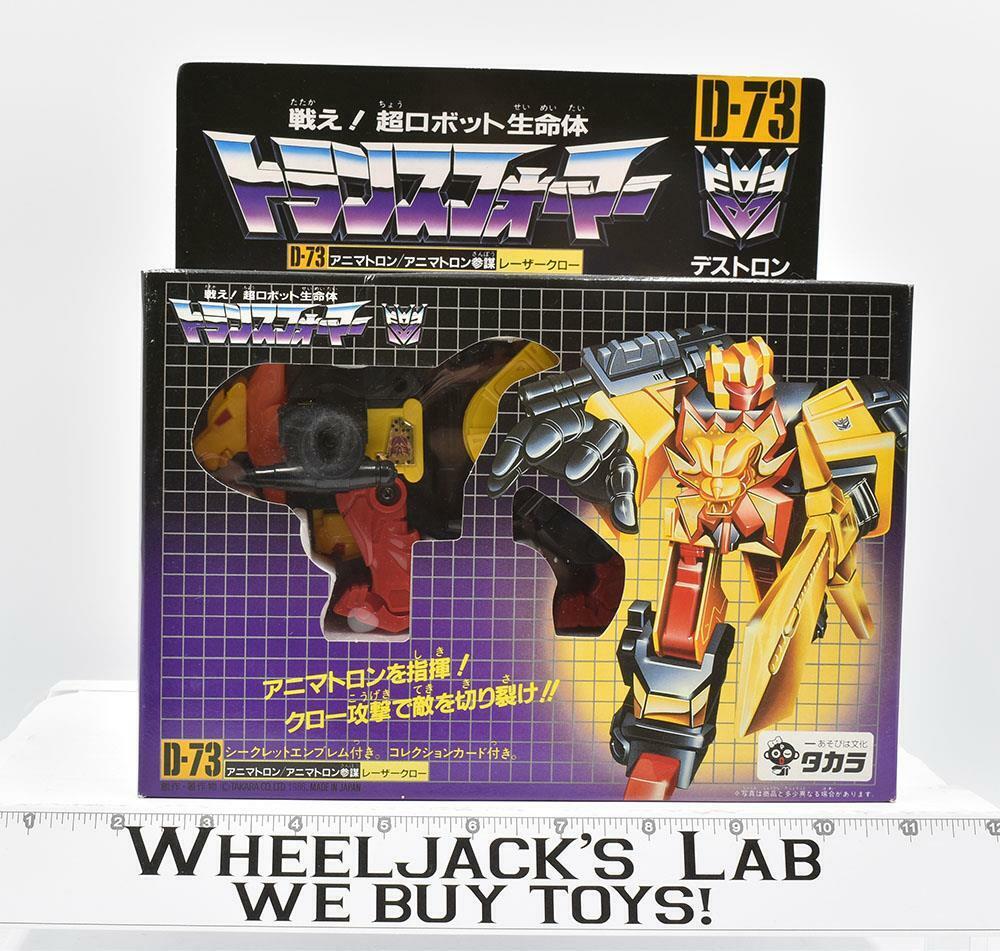
Sometimes people don't notice or overlook platform fees until they pop up. This can harm your selling proccess if you were unprepared for them. These fees take away from the profit of an item since you have to pay extra in order to help it sell in the best way. Some of these fees include referral fees which are a percentage of the total sale price given back to the website or company. Often times this is 15% of your total price but can be higher or lower based on the company. Also, websites may ask for listing fees per item or per-listing. These are often around a dollar but also depend on the website.
Subscription fees take place monthly or annually and include advanced features that may help boost your ittem. Sometimes subscription fees help specifically with higher selling items. Other additional fees may be optional but may help get your listing up higher in search results or help with packing and shipping your toys.
Also, some may include storage fees if someone else stores your items in a warehouse prior to selling. Customer returns also may include some fees that will need to be kept aware of. Other fees that often get overlooked include referral fees, international fees, improper labeling or packaging fees, transaction fees, shipping fees, and insurance fees. These all may help with the buying and selling proccess but are important to keep in mind to best strategize and get the most profit from your valuable toys.
Missing Documentation
Another mistake people make when selling their toys for the first time is not including the needed documentation for certain items. This lowers the price and leaves customers dissapointed if they receive a graded or autographed item without the documentation proving of its authenticity. Documentation with items does prove the authenticiy. This goes for graded items or autographed items as well as any toy owned by someone famous or special limited edition items. Documentation might also show the history of how old an item is or who owned it in the past. Some toy collectors look for these specific toys with their documentation as they showcase culture and the history.
Since missing documentation decreases the value, included documentation increases the value. The authentication helps to ensure that the items really are what the seller says they are and will help out when the buyer decides to sell the toy again in the future. Any sort of documentation also helps for people who wish to use these itms as investments. Often, high valued items in mint condition may get sent to a grading company who will send the toy back in acryllic packaging with authentication documents. When receiving these, it is super important to keep them with the items for the time when you wish to sell them again.
Misjudging Lots
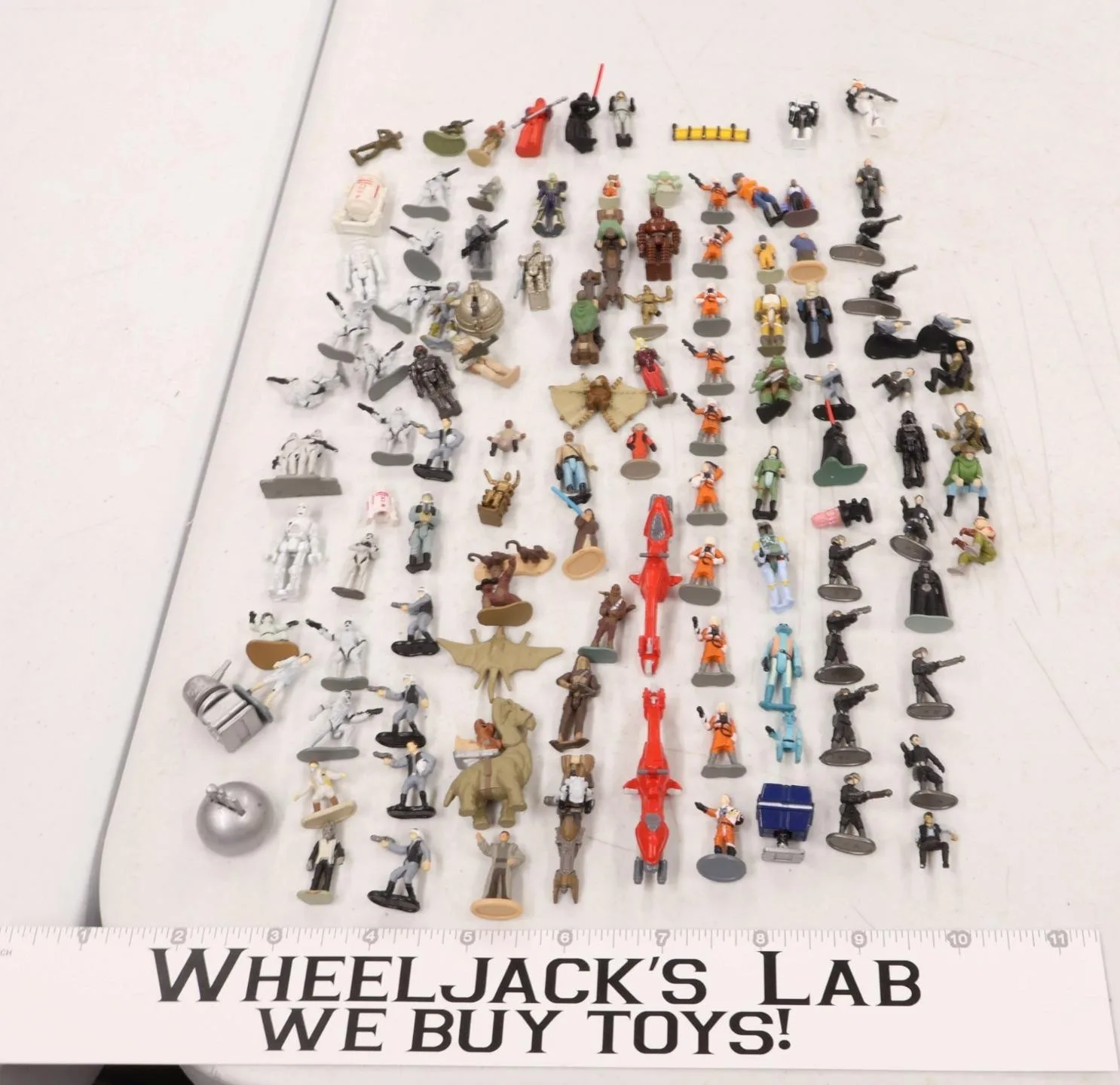
Another common mistake people make when selling their toys for the first time is when they misjudge lots. A lot is when a group of items gets sold together rather than seperately. Research in this area is important since often these situations with selling items together is difficult to know exactly what to do.
Some items such as more common toys or little parts and accessories may hold higher values if sold as a lot rather than individually. Similarily, some vintage items sometimes sell better individually rather than as a lot. Sometimes a lot can bring down the value of the items if people aren't willing to spend the total amount of money for them all but would be willing to purchase just one.
Along with this, an entire collection of items as a lot shows more interest from buyers rather than just random action figures placed together unless the value of them isn't super high. This is because an entire collection often shows rarity, especially vintage collections. Buyers may decide to purchase an entire toy line or collection even for an incredibly high price if no on else owns those same items and sells them in a lot.
Not Utilizing Experts
Not utilizing experts is the last mistake we will mention for people who sell their toys for the first time. Some will try to sell their toys themselves which works for a lot of people but sometimes mistakes are made and utilizing experts doesn't happen but could've been very beneficial.
There are a lot of people who make buying and selling toys their occupation. Some have been doing this for many years or even decades and know exactly how to properly buy and sell your specific items. They often also give insight and tips on how to successfully sell your items in the future.
Experts can help guide you through the process and could be beneficial to sell to in order to take the hassle off of your hands. This way, you will know that your items are in good hands and that you will receive a fair amount of money for selling them your toys. They often have so much experience and knowledge on your toys that they will be able to answer any questions you may have as well.
Final Thoughts
Although mistakes will come with selling your toys for the first time, learning those common mistakes helps to avoid them and learn how to do things in the most effective way. Contacting experts, cleaning items and taking clear well-lit pictures allows for great results and avoiding those common mistakes.
Making sure to remember all pieces to the figures, vehicles, and playsets helps buyers know exactly what you are selling. Also, showing honesty in the condition of items and giving clear descriptions helps to get the true value of your toys. Making sure to tell of any wear or damage, including if they're in mint condition or not and thoroughly researching the prices of your items before listing will give you good customers and the best profit on your toys.
Do You Have Old or Used Toys?
Don’t let your collection sit in storage gathering dust—turn it into cash! At Wheeljack’s Lab, we specialize in evaluating and buying vintage and used toys, from single standouts to entire collections.
Our friendly, expert team has decades of hands-on experience in collectible toys, so you can expect honest evaluations and a smooth process from start to finish. Ready to sell? Call us at 888-946-2895 and let’s get started.
About the Owner, Chris Ingledue
Chris is the founder and owner of Wheeljack’s Lab Pop Culture and Toy Shop. His vision has always been to reconnect collectors with the toys and pop culture that shaped their childhoods—sparking memories, nostalgia, and imagination along the way.
Each day in the “Lab” feels like Christmas year-round. From scouring the internet for the next great treasure—much like flipping through the Sears Catalog of years past—to eagerly awaiting the postman’s arrival like Santa himself, Chris lives and breathes the thrill of the hunt. Helping collectors around the world experience their own version of Christmas is what makes being a vintage toy buyer an absolute joy.