Left with a Collection? How to Protect Value and Avoid Mistakes After a Divorce
Getting left with things from other people that you now have to take care of is not typically desired. It often causes hassle and a lot of extra work to get it all sorted out, especially if the person has no idea what they are doing or what they are dealing with.
However, there are action steps to take in order to make the best decisions about a collection. Likewise, there are steps to take to protect your collection after deciding what to do with it all. Some items may hold great value and may be used as good investments as well. Other items may be good to sell if they take up too much space or if you don't want the hassle of keeping and storing them.
Coming up with a plan and communicating with people and lawyers will prove to be very beneficial. Join us in our blog to see ways you can best plan and take action steps to best protect the value of a collection and avoid mistakes after a divorce.
Join Us in Seeing how to Protect Value and Avoid Mistakes When Left with a Collection
Follow along with us through our blog as we mention the factors to help you make decisions about what to do with a collection and how to protect the value as well as avoiding any mistakes along the way. Here, we will mention steps such as getting legal advice, keeping and gathering documentation, researching, communicating, sorting through items, and properly storing them.
We will dive into each of these factors to help assist you in this process. Continue following along in our blog to learn more.
Documentation
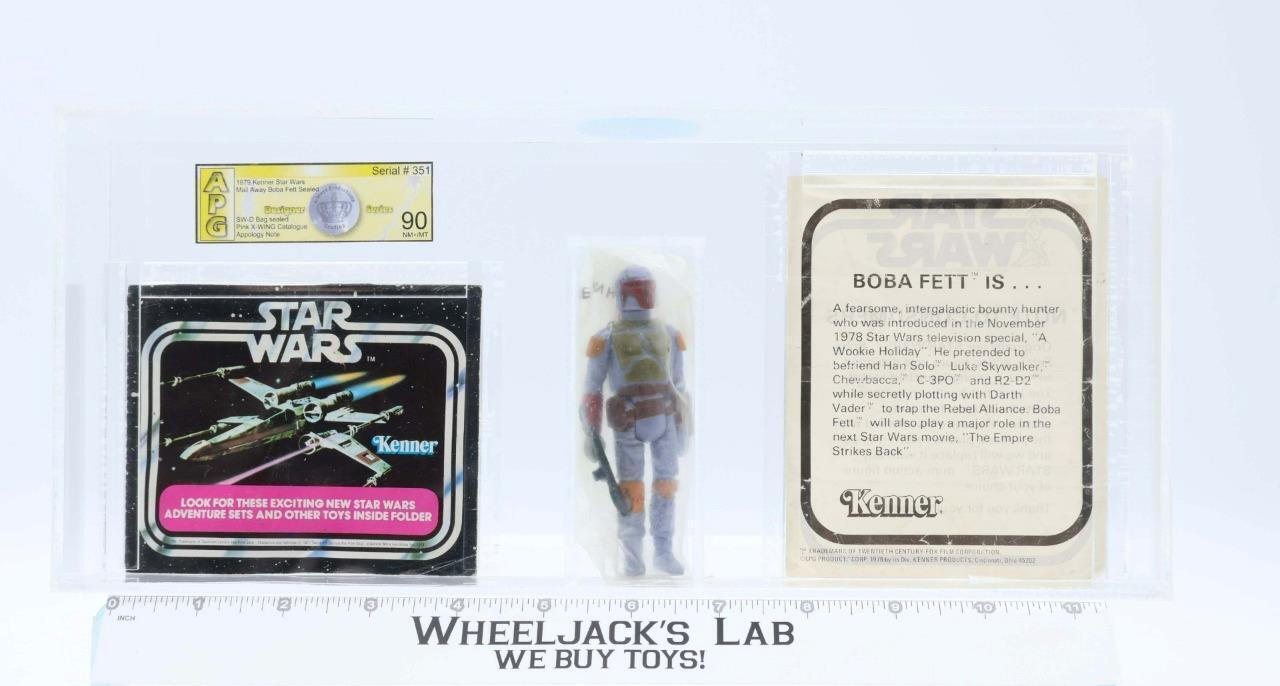
The first factor to consider when it comes to handling a collection you are left with after a divorce includes keeping, locating, and getting any and all documentation possible. This includes getting any documentations of authenticity of the items within the collection.
Some items such as magazines, comic books, toys, and others go through grading if sent to a grading company and receive documents needed to ensure the value of the items. Others may include any authentication for autographed collectible items to prove that the signatures are not forged and fake.
Also, inventory of items on paper or documented in any way proves very valuable when moving forward. If inventory documentation already exists, this helps to further the process. Otherwise, looking into documenting all items before moving forward with other steps may prove beneficial.
If you plan on seeing a lawyer or getting any form of legal advice, keeping any marital documentation and financial documentation close helps tremendously with getting the best advice and knowing more of what to do with the collected items.
Research and Itinerary Items
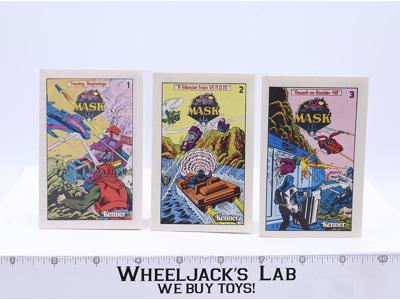
Next up, knowing what all you own in your collection shows great importance. If you don't know your collection well, it will be difficult to know how best to deal with it. Along with this, you might make mistakes and miss some of the value of items which you may regret later on. Many online platforms and websites help out in this area as they allow features like searching up the names of items and seeing an estimation of their values based on what they sold for in the past or what people currently list their items for.
Websites such as eBay help out greatly in this area. Googling items and seeing what they are called if you don't already know as well as seeing what other people sell and price the same items for helps out in getting an estimate for how much value your items hold as well. Some of these items that did sell may be in worse condition than your items which makes yours often hold higher values.
On the flip side, some items that have sold show better conditions than yours which means that your collection will probably sell for lower, should you decide to put them up for sale. Either way, research in this area helps a lot with understanding your collection and knowing where to go from there.
Asking professionals and getting their insight on the value of items and what the best next steps are also helps. Many people in the collectibles market or vintage market are experts on the items you have in your collection. Asking them what the value of your items are as well as seeing how you can best store them or sell them will be beneficial to your process. They may also give you tips on how to ship your items properly or caring for collected items to keep their value since they know so much on collectibles and have often dealt with them for years or even decades.
After understanding your collection, making an itinerary or inventory of all items if you didn't already have one proves to be beneficial in many ways. Making an itinerary list of the things you need to do may include gathering names of the items, taking pictures and keeping record of all items, keeping documentations together safely, noting the condition of items, and each of their values.
Gathering the names helps to tell which items you have so you can list them properly and look them up over time to see if their value changes at all. Also, taking pictures of items helps to see the condition of your items at the time of placing them in storage or at the time of assessment. This way, too, you can see the items and their names without bringing them out of storage and risking damage.
Keeping documents together with the collected items helps to know their location which helps keep their value. Lastly, the condition of items plays a huge role in their value. Therefore if you are looking to keep the collection for its value, taking care of it and knowing all of what you have is very important.
View the Condition
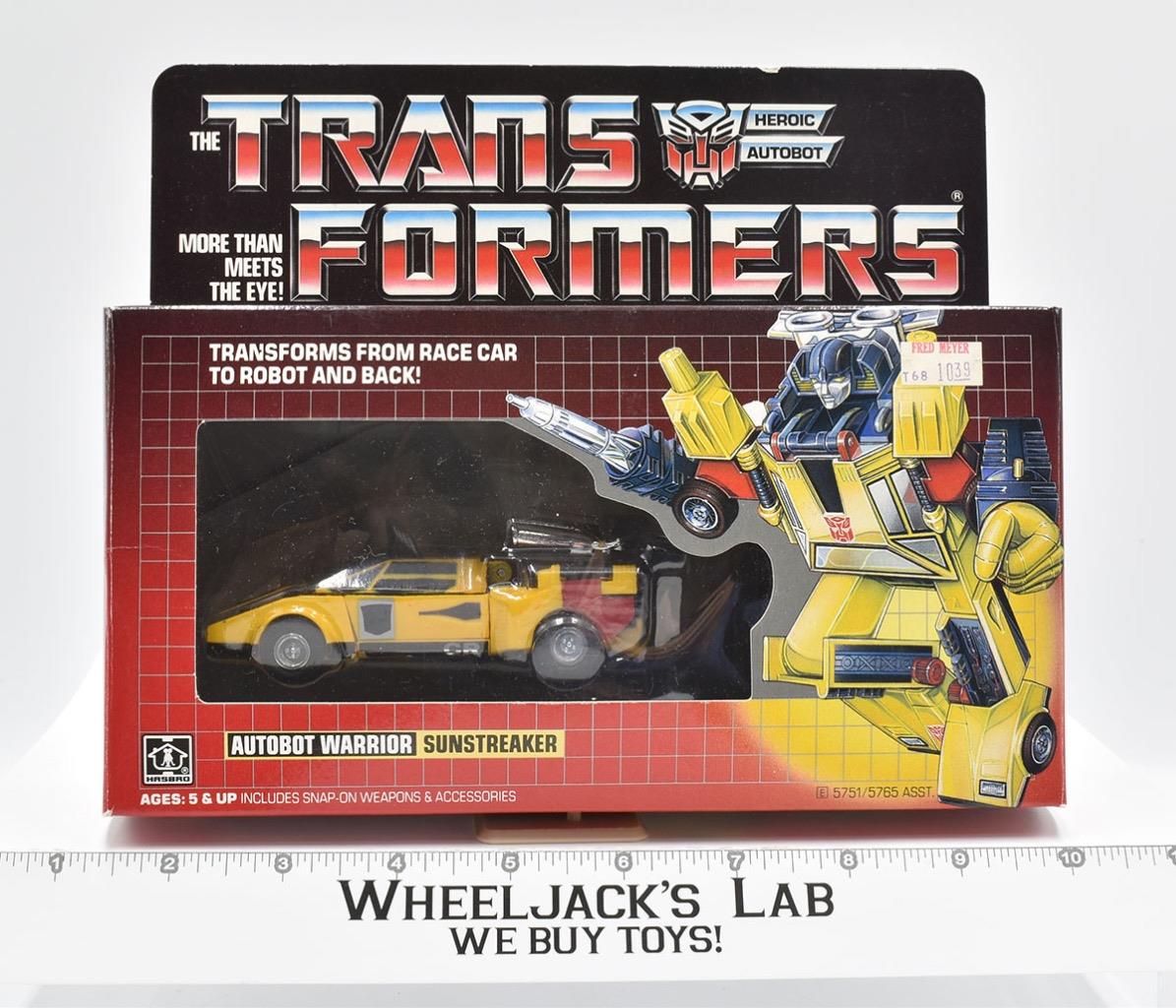
Knowing the condition of your items also shows importance when factoring out these steps. This is such an important thing to factor because collectors search out these items specifically. Since items in great condition hold much higher values, selling items in good condition will give the most profit. Should you choose to keep your items, knowing the condition of them is important for inventory purposes to see exactly what you have.
Along with this, it is important to know the condition of your items when it comes to sorting them out. Knowing that higher valued items are typically in better condition and that the demand for these items also goes up helps to determine what to do with them. Some people collect items as an investment knowing the high value of the collected items and that their value is steady. However, the items are no longer good investments if they are in bad condition. This emphasizes the importance of keeping collected things in their best possible condition.
Some factors that play into the condition of a collection include any damage from usual play or handling of items as well as any tearing, yellowing, dust, chipping, or scratches. Depending on how long you have owned these items, they may be collected items from your childhood or from someone else's. From this, normal effects from play and moving items causes damage over time.
Even factors we may not initially think about cause damage to collected items. When an item sits in the same place without proper cleaning, dust gathers on it and often scratches the items, especially cardboard items like boxes or cardbacks, causing discoloration and fading. Also, sunlight affects items when the UV rays hit plastic for long periods of time. This causes yellowing and discoloration on items such as white plastic action figures and clear plastic bubble packaging.
Since many items don't keep good quality over time, many rise to high value. The rarity of these items makes them high in demand among other collectors and may be good items to hold on to for value and investment or may be good items to sell since the profit back will be big.
Communicate
Another factor in knowing how to protect value of collected items and help avoid mistakes after a divorce is the importance of communication. It is important to know that courts divide marital property in an equitable manner, not always how you may desire, as they take in other factors. From this, any agreement on what to do with items between people involved helps out. Also, coming up with a solid plan for what to do with the items in the future helps out a lot.
Communicating and getting advice from professionals proves to be beneficial as well when it comes to knowing your collection since you will most likely learn valuable things from these experts. Coming up with a plan will help with the next steps of actually selling items or figuring out how to best keep them safe and protected.
Communication in all aspects helps to speed up the process, avoid conflict, respect sentimental value, and helps with fairness of keeping, distributing, dividing, or selling items. Making lists of what is needed to communicate or needed to accomplish helps with this as does keeping documentation. It all allows everyone involved to be aware of what is happening to avoid from any legal issues and mistakes or regrets.
Get Legal Advice
Along with communication, getting legal advice helps out tremendously. Working with someone who does this as their job and communicating with them the ins and outs of your situation helps to understand and help you specifically rather than just general advice. Lawyers help you to be aware of any legal issues that may rise as well as any main problems or factors to watch out for.
Also, getting legal advice can help navigate property division. Lawyers help to correctly navigate and work with value including financial value and sentimental value. They also help to properly identify and legally divide items strategically with an in depth plan to assist in dealing with things the most effective and careful way. Sentimental value versus financial value is sometimes difficult to sort through when it comes to things like collections.
Lawyers help to determine the items and their real worth in order to deal with things well legally. Handling non-traditional assets such as a collection shows difficulty especially without a lawyer to help. Lawyers also help with asset retrieval and other legal matters if any of these happen or if items end up going to the incorrect place. Documentation would have been available to ensure items go where they were planned to go.
Sort Through Items
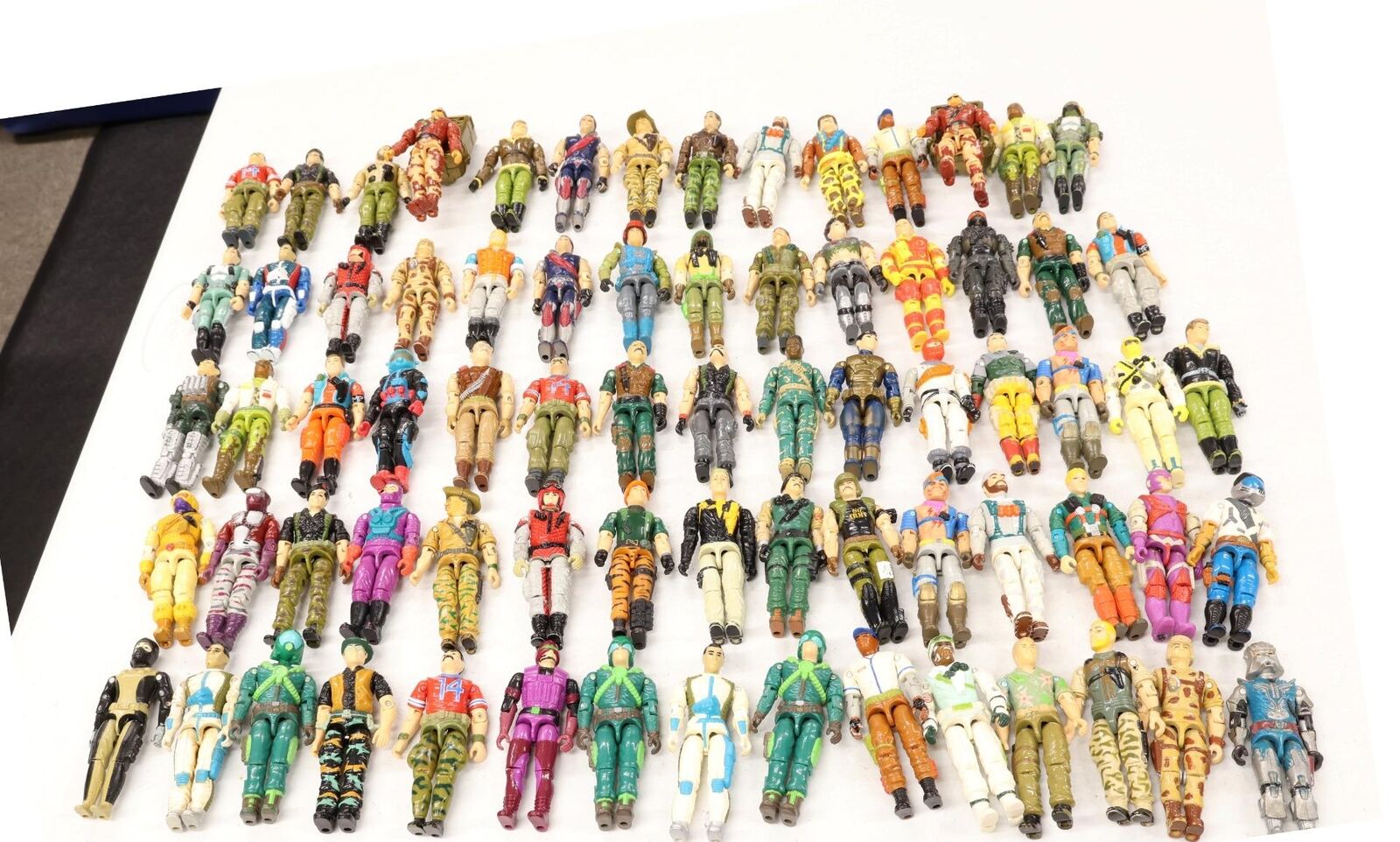
A next step to take after understanding all you have in your collection, communicating, taking inventory, and getting legal advice, is to sort through and take those next steps to actually put items in their permanent spots. This may include selling or keeping items. It may also include donating and decluttering the non-valuable items.
First, understanding all you have, then sorting the items out into categories helps a lot. These categories differ but may include sorting out items that are more valuable versus ones that don't hold as much value. It also includes sorting out items you for sure want to keep verses ones you would rather sell. Some broken pieces may not be worth anything and would be better to throw away or donate. Checking with experts and doing research to find out if your pieces are worth anything or not is important before throwing anything away or donating them. Also, if any items hold sentimental value but not financial value, those still may be some items to keep in your collection even if they won't sell for much.
Another thing to consider is to sell unwanted items to experts or to ask experts for their opinion on the best way to sell them. Experts often know the best tips for getting the most out of your collected items. They also often are able to give good tips for shipping such as how to properly package your items in boxes to avoid damage and how to properly take care of the items you are keeping. This helps to get the full value out of your items and to take care of the collection in the best way possible.
Experts will give good tips and also deal with your items properly. For instance, if you decide to sell to someone who knows exactly what they are doing with these items, then you will be able to trust that they will take care of your items and won't instantly damage them or break them. Experts will know all the ins and outs of caring for your valuable items.
Proper Storage and Insurance Protection
Lastly, proper storage and insurance protection with your collection is important in the long run, should you decide to keep it. Poperly caring for your collection keeps the value from going down due to damage and it keeps you aware of what all you have in your collection.
Also, some people benefit greatly from collectors insurance if their collection includes very expensive items. This helps to protect their collection that they have invested so much into. Also, some insurance can be given for shipping purposes that may help to protect sold items when reaching the buyer.
Storing items in cool and clean places works well to keep items in good condition. More than this, keeping them in sealed containers or closed display cases helps to keep dust off items and to keep them in their best condition. Some people utilize climate controlled storage units or locked areas to keep their items safe from any harm.
Final Thoughts
Although a lot of different things go into sorting through a collection after a divorce, there are many ways to carefully strategize and avoid regret or mistakes. Understanding your entire collection and coming up with a clear plan to keep or sell items based on their financial value and their sentimental value helps to make simplicity in the midst of some more difficult things.
Do You Have Old or Used Toys?
Don’t let your collection sit in storage gathering dust—turn it into cash! At Wheeljack’s Lab, we specialize in evaluating and buying vintage and used toys, from single standouts to entire collections.
Our friendly, expert team has decades of hands-on experience in collectible toys, so you can expect honest evaluations and a smooth process from start to finish. Ready to sell? Call us at 888-946-2895 and let’s get started.
About the Owner, Chris Ingledue
Chris is the founder and owner of Wheeljack’s Lab Pop Culture and Toy Shop. His vision has always been to reconnect collectors with the toys and pop culture that shaped their childhoods—sparking memories, nostalgia, and imagination along the way.
Each day in the “Lab” feels like Christmas year-round. From scouring the internet for the next great treasure—much like flipping through the Sears Catalog of years past—to eagerly awaiting the postman’s arrival like Santa himself, Chris lives and breathes the thrill of the hunt. Helping collectors around the world experience their own version of Christmas is what makes being a vintage toy buyer an absolute joy.