How Production Runs Affect Long-Term Toy Value
Different toy companies produce toy lines for different amounts of time. Sometimes, toy lines only release items for a year before cancellation or lack of initial popularity. Other times, toy companies release toy lines for many years, mass producing hundreds of thousands of popular characters, vehicles, and accessories.
Production runs dictate toy scarcity which, in the end, affect long-term toy value. Some companies’ scarcity comes from low production while others comes from mass production creating scarcity over long periods of time as items break and show wear. Another production marketing strategy is artificial scarcity which uses production to limit types of items while still mass producing.
Follow along in our blog with us as we dive into the types of production runs and how they affect long-term toy value. Join us as we mention these as well as other important factors that affect long-term value of toys alongside production runs.
Join Us in Seeing How Production Runs Affect Long-Term Toy Value
Follow along in our blog with us to see how production runs affect long-term toy value. We will mention low production runs, mass production runs, and artificial scarcity. Along with this, we will mention the factors of high collector demand and brand prestige as well as what truly determines long-term value and how to know the true value of an item over time.
Production Runs
First up, we will mention how the length of production runs hold a big effect on the long-term value of a toy. Though other factors contribute to this, which we will mention later in our blog, the production runs can be a big indicator for why toys hold high value or low value. How does the amount of toys initially released play a factor into the long-term value? Stick around with us to find out!
Low Production Runs
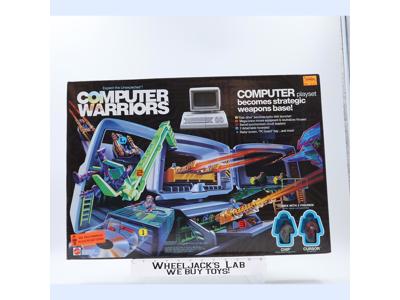
Now, we will dive into low production runs. These small production runs limit the supply of items while the demand grows. It creates a sense of scarcity as people search for these items to purchase but have a difficult time getting their hands on them due small amounts produced.
Scarcity is a timeless strategy that keeps urgency up and elevates the demand and perceived value. Though some toy companies unfortunately don't plan on releasing small amounts, their release time is cut short from lack of popularity or funding. Scarcity often fuels sales, keeping both collectors and casual buyers interested and keeping the thrill of the hunt alive. Scarcity marketing works, not because the actual product itself changes, but because our view of it does.
Humans sometimes feel the loss of losing something deeper than the joy of gaining it. With this, it causes a fear and urgency inside people to get their hands on something they want while they can still get it before it’s gone. Toys become more desirable when framed as valuable and rare treasures.
While a collector might have hesitation on purchasing an item, when there is a limited edition and scarce amount, that hesitation often disappears as they desire to get their hands on it and not miss the opportunity.
Mass Production Runs
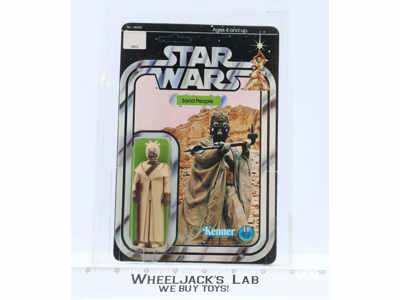
Another type of production is mass production. Typically, mass produced items don’t hold as high of values unless they come from a well-known brand or franchise. However, with mass produced items, more room is left for items in different conditions with varying selling prices since hundreds of thousands released.
For instance, loose and broken items of a mass produced toy line won’t be worth much of anything. However, an item in mint condition with all accessories, parts, tape sealed, and original packaging will be worth a lot more. Though these mint condition items are not as difficult to find with mass produced toy lines as they are with low production lines, they are typically not super common and still desired by collectors.
Mass produced items are more well-known, too, since many more people owned them or were familiar with the franchise. Because of this, toys break over time which leaves mint condition items more desired by people from factors such as nostalgia rather than initial scarcity.
In the end, scarcity here is still a factor; it just takes years in order for the rare items to reach high values. If the scarcity factor is not there, the demand for the items won’t remain and the prices won’t rise.
Artificial Scarcity
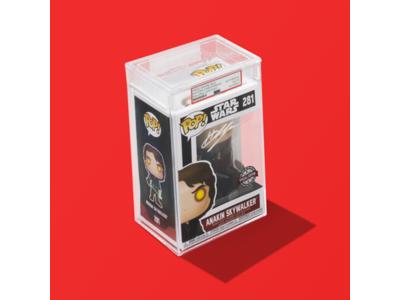
Artificial scarcity is when toy companies strategically and intentionally limit the production of items to create the illusion of scarcity. Though this marketing strategy drives initial prices, long-term values usually don’t hit those high prices.
The initial sale creates the limited edition and fear of missing out which causes both the demand and the perceived value to increase. When people see “limited edition” on a package, they see that as their only opportunity to purchase that item. Even if the company mass produces these “limited edition” items, people often pay high amounts of money for them.
Toy companies such as Beanie Babies and Funko stick with this marketing strategy as they aim to get more sales. The resale value for these items sometimes multiplies as people on the market search for specific short-run items.
Along with this, some toy companies use the “blind box” marketing strategy to sell items without the buyer knowing what he/she is purchasing. This also brings out the thrill and demand as people wish to get their hands on specific items. Though this may also drive up initial sales, the value of these items over time typically doesn’t continue to rise.
The Factor of High Collector Demand
While ultimately a limited supply of toys causes higher values, if there is no collector demand then there is no value. Since vintage toys for resale are determined on the perceived value rather than the cash value, the value remains in the eyes of the buyer.
High collector demand causes value to rise as multiple people search for the same items and desire them. Many collectors are willing to pay high amounts of money for something they deem worth adding to their collection. Whether these items are from a low production toy line or a mass production toy line, if the demand is high then the value will remain high as well.
Collector demand comes from this scarcity as it produces a fear of missing out as well as other factors such as nostalgia and pride of gaining the scarce item. Nostalgia creates a big demand among many as the value no longer lies in the item itself, but in the memories attatched that vary from person to person. These sentimental nostalgic feelings surge people to pay incredibly high amounts of money to gain back a piece of their childhood.
The Factor of Brand Prestige
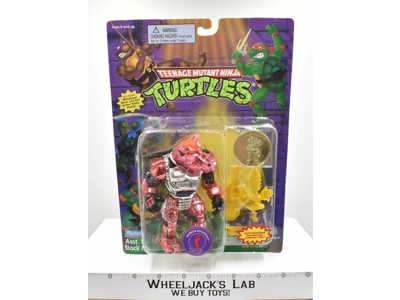
Brand prestige is the admiration, respect, and overall popularity of a brand from the eyes of the consumer. Within the toy market, certain brands hold higher respect and loyalty from their consumers than others. Because of this, big name franchises like Teenage Mutant Ninja Turtles and Star Wars all hold high respect from their consumers.
They are known for their television shows that had toys corresponding with loved characters. They are respected for their high quality toys that last for decades. People all around the world recognize these toys and are willing to pay higher prices for toys that they know and love.
Nostalgia also plays a big factor into the brand prestige since the well-known toys are typically the ones that people remember so well and desire to own again. When the factor of brand prestige is paired with limited supply and collector demand, these items sky rocket to hundreds and even thousands of dollars.
The Real Determiner of Long-Term Value
Each of these factors mentioned above play a big part into the long-term value of toys. However, as mentioned before, the value of these toys over time now lies in the perception of the buyer. When demand is higher, the value of items rises but when the demand is lower, the value also lowers.
From this, the way to find out what items are really worth is to look at already sold items and the amount they sold for. With this, someone looking to sell their toys can see a valid amount on what someone really paid for the same item rather than what someone is trying to sell it for which may be too high or too low.
Final Thoughts
Throughout this blog, we explored the differences between low production runs, mass production runs, and artificial scarcity. We also mentioned other factors that play a role into the value of a toy long-term. In the end, true long term value is determinant on low production volume mixed with high collector demand and high brand status. With all of these combined, the value of a toy over time rises.
Do You Have Old or Used Toys?
Don’t let your collection sit in storage gathering dust—turn it into cash! At Wheeljack’s Lab, we specialize in evaluating and buying vintage and used toys, from single standouts to entire collections.
Our friendly, expert team has decades of hands-on experience in collectible toys, so you can expect honest evaluations and a smooth process from start to finish. Ready to sell? Call us at 888-946-2895 and let’s get started.
About the Owner, Chris Ingledue
Chris is the founder and owner of Wheeljack’s Lab Pop Culture and Toy Shop. His vision has always been to reconnect collectors with the toys and pop culture that shaped their childhoods—sparking memories, nostalgia, and imagination along the way.
Each day in the “Lab” feels like Christmas year-round. From scouring the internet for the next great treasure—much like flipping through the Sears Catalog of years past—to eagerly awaiting the postman’s arrival like Santa himself, Chris lives and breathes the thrill of the hunt. Helping collectors around the world experience their own version of Christmas is what makes being a vintage toy buyer an absolute joy.