How Much Is My Childhood Toy Collection Worth?
Do you have a collection of old toys from your childhood hiding in your attic, basement, or parent’s house somewhere? Over the years, toys get placed into a storage container and slowly get forgotten as the child grows older.
When cleaning, moving, or downsizing, these old toys get discovered again. Sometimes, something else sparks nostalgia for this old collection and you go to uncover it again. While uncovering these toys, you may begin to wonder how much your collection is worth.
While most toys aren’t worth a lot of money and can even be worth less than what you purchased them for, some specific toys can actually reach incredibly high values. Your childhood toy collection could be worth anywhere from just a few dollars to tens of thousands of dollars.
Don’t throw them out right away, sort through your entire childhood toy collection and find out if any of them are valuable. Follow along in our blog with us as we walk you through how to find the value of your childhood toy collection.
Follow Along to See How Much Your Childhood Toy Collection is Worth
Read along in our blog to see how much your childhood collection is worth. We will dive through the reasons why some toys are valuable so you know what to look for. Along with this, we will also mention the ways to research and actually find the value of your specific collection.
The Factor of Nostalgia
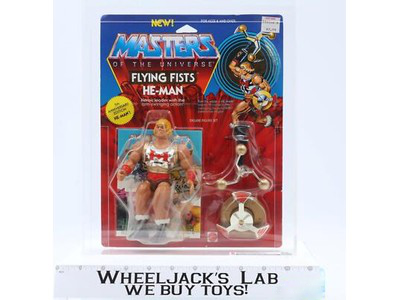
First, on our blog, we will mention the factor of nostalgia. Nostalgia is the single most driving factor in the vintage toy market. The emotional attachment and sentimental value can often surpass other factors, driving up demand and monetary value. In general, toys typically peak with nostalgia 25 to 30 years after their release date.
When people reach their 30s, 40s, and 50s, they start making more disposable income and wish to reconnect with their childhood memories. Another reason nostalgia is such a driving factor is because of the new movie releases, toy releases, television shows, and more for past popular toy lines and franchises that keep people going back to the originals.
For instance, the demand has gone up on the original He-Man toys after their most recent movie release and Barbie sales went up after the Barbie movie came out. However, while an item may be popular, if it was overproduced and not in demand then it won’t be worth much of anything.
On the other hand, you may have a gem of a toy in your hands if it is something many collectors are nostalgic for and searching for. They wish to get their hands on the items that make them feel such love, connection, and joy again while reminiscing on past memories of playing with the toys or opening them on Christmas morning.
Does the Release Date Mean Anything?
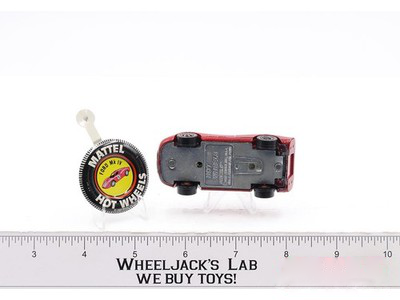
If you don’t know the release date of a toy, there is typically a stamp in a discreet place on the toy such as the bottom, under a foot, or on the back. While the release date does play a factor, it is not the necessary thing for a high valued toy.
Just because a toy released in the 1960s or 70s, doesn’t mean it is worth thousands of dollars. Whenever the release date is factored in, rarity, condition, and demand must also be factored in. This is because a toy that is rare and in good condition from the early 2000s might be higher in value than a toy from the 1970s that is not in good condition.
However, typically, newer toys don’t rise to significant values until they have been around for a few decades. So, if your childhood collection is less than 30 years old, you might have some valuable toys in there but probably not many.
Newer toys are often still in circulation and not as rare to find in good condition, nor are they often high in demand. Yet, if you have items in your childhood toy collection that are multiple decades old, are in good condition, and are rare, then you might have something very valuable on your hands.
Condition, Condition, Condition!
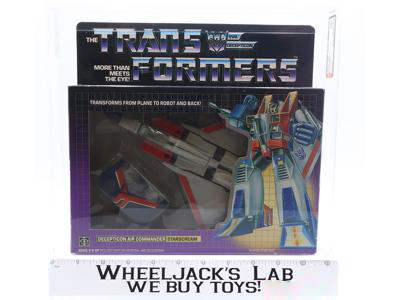
This next factor is incredibly important and possibly the highest driving factor for why some toys are high in value. The condition of a toy matters so much because it distinguishes a rare toy from a common toy. Over time, toys get played with and get damaged or lose pieces. Very little amounts of toys actually last in good condition even as loose items decades later.
The highest valued items will almost always be sealed in mint condition in their original packaging. These are the toys that remain never opened in their sealed packaging with all parts, pieces, accessories, and even instructions remaining.
Mint condition is when the toy remains close to factory condition. Any wear, discoloration, tape torn, missing parts, or broken pieces automatically bring the value down compared to the same toy in mint condition.
To assess the condition of your collection, you can use standard grading scales to see where your toys land on the condition scale. However, when doing this, you can compare your toys’ condition to the condition of the same toy others have sold as they often list the condition in their description.
Rarity and Variation
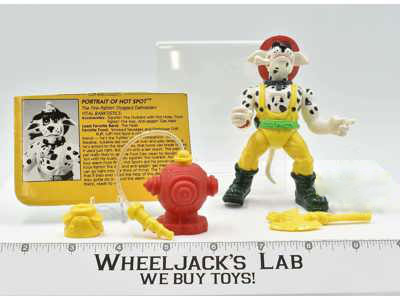
Another factor when looking at how much your childhood toy collection is worth is rarity. There are two types of rarity with collectibles and toys. The first is manufactured rarity and the second is natural rarity.
Manufactured rarity is where the toy company releases limited editions or serial numbers to give the appeal of rare items when they are actually still mass produced and sometimes can even lead to overproduction, leaving these “rare” toys in circulation for a long time after their release. On the flip side, natural rarity is when items become rare over time due to toys naturally breaking, getting damaged or lost. This leaves the remaining toys rare naturally.
Another aspect of rarity is found in variant and exclusive toys. These are typically rare toys that are released either by different companies around the world that make exclusive versions of popular toys only released in that area.
Along with this, other variants are rare prototypes of toys or especially unique items making them desired by collectors as they are difficult to find. These rare toys have sparked to high values due to their scarcity and uniqueness on the market.
Collector Demand
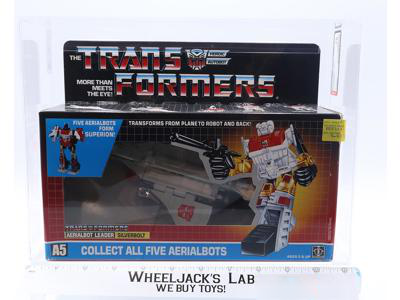
Collector demand is another incredibly high factor in the value of your childhood toy collection. If there is no demand for your items, then there won’t be any value to them either. However, rare items that remain in mint condition and are from a popular franchise raise the value of a toy along with the demand.
The highest demand items are typically the ones that remain sealed in their original packaging and in good condition. This combines both the nostalgia and rare appeal together to create a high demand. Along with this, even loose toys that are not broken or worn in any way can be highly sought out by collectors.
When multiple collectors want the same items, the demand for them increases. While this demand can fluctuate as new media is released or as the franchise dwindles, many toys steadily rise in value over time if there is any demand at all.
For instance, an original Star Wars Boba Fett in mint condition has shown to rise in value over time as others become rarer and as it becomes more difficult to keep it in mint condition. On the other hand, a loose action figure from a mass produced toy line in the early 2000s probably doesn’t hold much value since it most likely won’t be in high demand.
Research and Contacting Experts
If you are trying to find the exact amount of your childhood toy collection, you will need to do research and contact a toy expert to know what your specific items are worth. Since every collection is different, it is necessary to look up each individual item to get an idea of the value.
To do this, a website such as eBay is a good tool. Here, you will want to look up your toy and filter it to only sold listings. This will give you a good idea of the amount someone actually paid for it rather than any inflated or deflated prices people listed online. You can also look on our free Pricing Guide to look up your toy and see what people have paid for the items we listed.
You can also reach out to a toy buyer expert to get a valuation of your collection. They will be able to research your items for you and give you an accurate estimate for how much your collection is worth. However, toy buyers are wanting to purchase toys so if you are not looking to sell them, you may just want to get a valuation or to do research on your own.
Final Thoughts
Since every toy collection varies in their unique style, date of release, type, size, rarity, and condition, it becomes very difficult to say overall how much a collection is worth without doing thorough research. However, by looking at these factors we mentioned above for determining what makes toys valuable, we hope you can dive a bit deeper and determine if your toy collection is valuable. Follow along in our other blogs to gain more insight and grow in your toy collection journey!
Do You Have Old or Used Toys?
Don’t let your collection sit in storage gathering dust—turn it into cash! At Wheeljack’s Lab, we specialize in evaluating and buying vintage and used toys, from single standouts to entire collections.
Our friendly, expert team has decades of hands-on experience in collectible toys, so you can expect honest evaluations and a smooth process from start to finish. Ready to sell? Call us at 888-946-2895 and let’s get started.
About the Owner, Chris Ingledue
Chris is the founder and owner of Wheeljack’s Lab Pop Culture and Toy Shop. His vision has always been to reconnect collectors with the toys and pop culture that shaped their childhoods—sparking memories, nostalgia, and imagination along the way.
Each day in the “Lab” feels like Christmas year-round. From scouring the internet for the next great treasure—much like flipping through the Sears Catalog of years past—to eagerly awaiting the postman’s arrival like Santa himself, Chris lives and breathes the thrill of the hunt. Helping collectors around the world experience their own version of Christmas is what makes being a vintage toy buyer an absolute joy.