Factory Errors and Misprints: Flaws or Hidden Gems?
One day, a toy factory decides they will begin mass producing a new line of action figures. However, after some of them are finished, someone notices that there was an error. They fix the error and continue producing toys, however those toys were all made with mistakes.
What value do these really hold? Actually, many times, these are the items that are worth a lot of money. People search them out and are willing to pay high amounts of money for misprints and items with factory errors. As the old saying goes, “Something is only worth what someone is willing to pay for it.”
Many people are willing to pay a lot for these items since they are seen as rare and unique. They are looking for that one-of-a-kind item to add to their collection. These items are also often desirable when a collector goes to sell it again to another collector. The unique factor can drive up the value for as much as someone is willing to pay for it.
Join Us in Seeing Factory Errors and Misprints as Either Flaws or Hidden Gems
Follow along in our blog with us as we explain why factory errors and misprints are either flaws or hidden gems. We will mention the different things that make errors on toys along with how they can become valuable to collectors.
Packaging, accessories, paint colors, and mold all play an important role into factory errors and misprints. Join us through the rest of our blog to learn more and find out if your misprinted and factory error items might actually be hidden gems.
Tag Errors
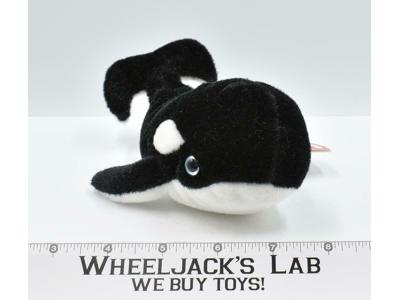
First up, we will mention tag errors. These are most commonly associated with Beanie Babies as they were seen on some of the tush tags or hang tags. This is especially apparent on beanie babies and other plush toys since other toys don’t typically have tags attached.
Errors on these tags include misspelling of the title or description, date misprints or mitchmatches, swapped tags, spacing errors, and missing information. For instance, putting two words together when they should be separate or completely misspelling a word on a tag both make errors.
Another issue may be date misprints including the tush tag with a different date than the hang tag. Along with this, swapped tags give an error to toys as they showcase another character or item that is not the correct one.
Then, spacing errors on tags include any unnecessary or improper spacing between words or by punctuation. Lastly, missing information on tags show errors as the tag information is crucial and necessary to the item.
Packaging Errors
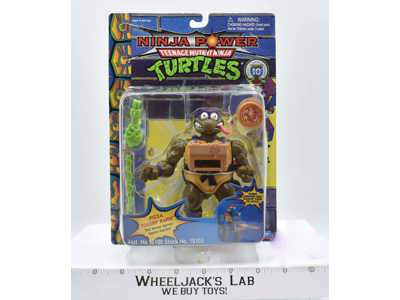
Next up, packaging errors play a factor into hidden value as they can often be overlooked. Packaging errors only typically add value to toys if they remain in this packaging. When a misprinted item stays in its original packaging, it validates the authenticity of the toy.
If the toy is separate from the packaging then selling the item would be more difficult due to integrity and authenticity concerns. Packaging errors on toys and collectibles include upside down figures, incorrect figure to card pairings, mislabeled boxes, and missing accessories or parts.
Sometimes toys accidentally get packaged upside down or with the wrong cardback. These errors can go unnoticed and still end up in a collector’s hands where they are looked at as a hidden gem. Mislabeled boxes are also factory errors that include the wrong toy inside a box.
When a box shows the picture and title of one toy but inside the box lies a different toy, a hidden value may come to the surface when a collector buys it for its perceived value. Another error is missing accessories and parts. This is another reason it is incredibly important for misprinted toys to remain in their packaging.
Without this, a toy with missing parts is looked at as incomplete and typically lowers in value. However, if it remains sealed in its original packaging and is still missing pieces or has different pieces than intended, it has to do with a factory error rather than parts getting lost or damaged over time.
Different Color
Toys with misprints and factory errors can also feature color variants that were unintended by toy companies. Though these items are imperfect, they are also seen as very rare collectible items.
Incorrect plastic color or paint application can make a toy appear way different than it is supposed to. While the packaging errors affect what the toy sits in, color errors affect the entirety of how the toy looks. Even when the toy is loose and out of its box, these toys may still hold high values since the error is visible.
However, sealed in the original packaging is always the best as it provides more authenticity and proof of the error. Unfortunately, there are some people who may change the color of toys themselves and sell them as if they were misprints. Because of this and other factors, Mint-on-Card (MOC) or Mint-in-Box (MIB) items hold the highest value.
These toys all have a high visual distinction as color and design are the first things people notice. Color errors on toys stand out and are very unique. The perceived value often rises due to the unique and rare factors.
Mold Changes
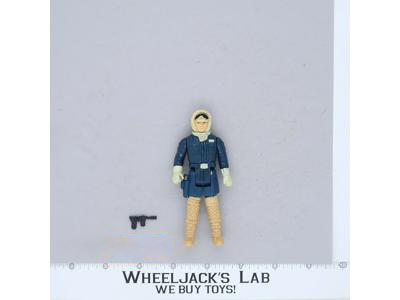
Lastly, for the ways a toy shows factory errors and misprints, we will mention changes in the mold. Mold changes are very important in the world of misprints and factory error toys. Mold changes represent permanent physical changes to the toy.
Mold changes include when a design flaw is fixed, a mold degrades over time, or a new mold is created which makes an incredibly specific toy unlike many of the others. These mold changes showcase true rarity as they are permanent and can’t be scratched off like paint or placed in a different box to appear as a factory error.
While many of the other errors are accidental, changes in the steel mold typically mean that a small amount of toys were made before an error was caught. The mold then gets corrected but there are some toys with mold errors that were made.
Some mold errors also come from the mold itself changing over time. When a mold gets used so many times, near the end of production, it can wear down and show different details than previous releases. However, these toys after mold degradation are typically not as high in value even though they may be seen as errors since they don’t have as much detail.
Sometimes, a mold is intentionally altered to make a new figure. Any mistakes through the altering process create variant errors that many collectors are willing to pay high amounts of money for.
Rarity, Uniqueness, and Collectible Factor
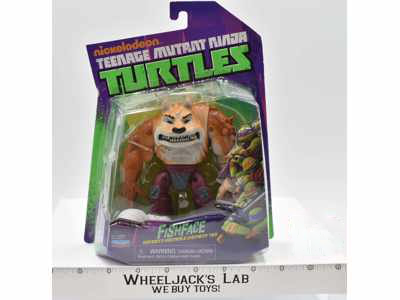
As mentioned previously, these factory errors and misprinted items are seen as very unique. Most of the time, when these errors happen, very small amounts of errored toys actually get produced. Many times, workers catch these things before they produce too many incorrect items.
Because of this, they are very rare. But, they are also very unique. Misprinted items have a unique factor that all of the other toys in the same toyline do not have. They are unique because they have pieces that were not intended to appear how they were actually made.
These differences in toys show the unique factor that many collectors are attracted to. These unique items are often ones people desire to add to their toy collections. They stand out on shelves, sometimes hold high values, and are often highly sought out items.
Rarity and scarcity is super important because it changes any mass produced, flawed item into a one-of-a-kind collectible. Rarity and scarcity takes a typical collectible outside of its common world and puts it into a niche category of treasure as collectors begin to look at these items as gems. Though the cash value may be the same between a factory error and a mass produced correct toy, the perceived value may be immensely higher simply by a few differences.
The rare factor gives collectors more of a “thrill of the hunt” which allows them to search far and wide for these uncommon items to add to their collections. Collectors with a desire for specific items may spend months or even years searching for a specific factory error toy or collectible to purchase. Many people are even willing to spend high amounts of money for these items, drawing the perceived value up even more.
Final Thoughts
Many times, factory errored toys are seen as hidden gems. Collectors all over the world search out these toys and are willing to pay high amounts of money for them. There are many ways a toy shows factory errors or misprints. They are seen as unique and rare, driving up their value with demand. Though there are some toys that are seen as flaws and do not hold high values, there are many that are worth hundreds to thousands to tens of thousands of dollars.