Cleaning Vintage Toys Safely (Without Hurting Their Value)
A vintage toy includes any toy released over 20 years ago that is less than 100 years old. These toys show damage and wear much easier than newer toys. Over time, toys get played with and materials break down that make them more brittle and harder to clean.
However, properly and regularly cleaning your vintage toys will help tremendously in keeping their value and condition up. While there are many dangers of not cleaning properly, when cleaning your vintage toys with care, the benefits show greatly. It is important to clean every single toy with care, no matter the material or type. For instance, there are many different toys that are made of different materials.
Each of these toys may have a completely different method of cleaning that is necessary to keep it in good condition. Follow along in our blog with us to see how to clean vintage toys safely without hurting their value.
Join Us in Seeing How to Clean Vintage Toys Safely Without Hurting Their Value
Join us throughout our blog to see the harm and benefit of properly cleaning vintage toys along with how to clean different types of toys and how to preserve them long term with proper storage. Throughout our blog, we will mention cleaning plastic, vinyl, wood, Die-cast metal, tin, plush, and stuffed toys properly. Follow along to find out how to properly clean your vintage toys and how to preserve their value through cleaning.
The Dangers of Not Cleaning Properly
There are many dangers of not cleaning vintage toys safely. If you end up cleaning a vintage toy incorrectly, you can take a mint condition item and damage the value greatly. There are some common mistakes people make when trying to clean vintage toys.
The first mistake is to use harsh cleaners. In almost every case, if you are cleaning a vintage toy, soapy water will do the trick if you use any liquid at all. Harsh cleaners can cause much damage through staining toys, discoloring paint, and degrading materials.
Another mistake people make when cleaning vintage toys is using hot water on plastic and vinyl action figures and toys. For these items, the hot water can warp or even melt plastic and completely ruin toys. If using water to clean vintage items, lukewarm water does the trick well rather than hot or boiling water that will cause damage.
Another big cleaning mistake is trying online hacks. When cleaning vintage toys, there may be cleaning hacks you find online or other people suggest to you. Many of these hacks recommend using products of harsh ingredients or try to speed up the process. When cleaning vintage toys, it’s important to take your time and to clean with as little materials as you can to avoid any possible damage.
With Every Toy: Handle With Care
The main thing to remember when cleaning vintage toys is to always handle them gently with great care. Vintage toys include any toy older than 20 years. With age, any kind of toy is more prone to breakage. Avoid gripping toys too tightly and moving parts on toys too much.
Even moving a limb on a vintage action figure too much may cause damage from materials wearing down over time. When cleaning is done correctly, you can remove decades of dust, grime, and sticky residue.
It’s important to not chase perfection. Some imperfections actually show history and tell a story. Trying to clean to perfection will most likely cause more imperfections and only further damage the toy and its value. Instead, chase the goal of preservation to keep its value and not to make it perfect.
Types of Toys- And How to Clean Them
With every toy, cleaning correctly matters greatly. Yet, it’s important to know how to clean different toys. Not every toy is made with the same materials or the same molds to create a widespread “one-way-to-clean” rulebook. With the differences in types of toys, different cleaning supplies and strategies are necessary. Follow along in this next section of our blog with us as we dive into different materials found on toys and see the best ways to carefully and gently clean them.
Plastic and Vinyl
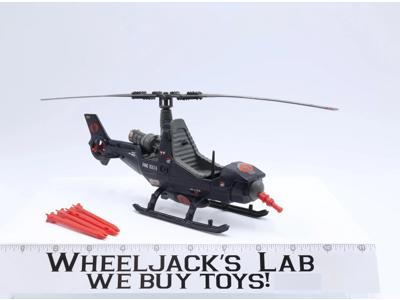
Many action figures, vehicles, and playsets made since the 1960s are made from plastic and vinyl. With these toys, soaking in lukewarm soapy water can be beneficial. However, avoid using harsh chemicals in the soap or harsh dyes. Also, avoid soaking any items that are hollow on the inside or involve electronic features and other materials. Hollow items can grow moldy if soaked in water while toys with electronic features get damaged and broken.
After soaking only strong plastic items in lukewarm water, let dry completely. Then, using a soft painters brush, soft toothbrush, cotton swabs, or microfiber towel, begin lightly dusting off any loose dust and dirt. Dusting before soaking in water is also beneficial. If your toy is not suitable to handle water, don’t try it- just begin with lightly dusting to avoid damage.
Cotton swabs dipped in the lukewarm soapy water also help with detail cleaning at this point. Once the toy is completely clean, pat lightly with a microfiber towel and leave out to air dry for at least a couple of hours to ensure it is completely dry. Don’t use hairdryers, heat lamps, or sunlight to avoid damage.
With these items, make sure to leave any painted on areas free from water and harsh rubbing to avoid scratching and chipping off the paint. This principle goes for toys with sticker decals as well. The water will rub off the stickers and harm the toy’s value in that area.
Wood
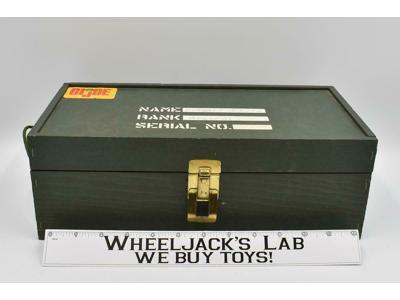
While many toys today are made majorly from plastic, many toys from the early 1900s were made from wood. Throughout recent decades, many toy companies still released toys made from wood, though they are much more scarce. There are a lot of environmental factors that cause damage to wood toys including moisture and heat that causes wood to break down and warp.
A common struggle with old wooden toys includes the building of grime on a surface that doesn’t handle water or liquid cleaners well. When cleaning wood toys, start with lightly dusting using a microfiber cloth or soft brush. This will remove loose dust, cobwebs, and other pieces of lint that may have attached to the wood.
Though you never want to submerge a wooden toy into water, especially a vintage one, grabbing a microfiber towel dipped in soapy water and then ringing it out almost completely before wiping tough grime spots can be beneficial. If you ever use liquid on wood, always leave it out away from sunlight in a well ventilated area to completely dry before putting it away.
Die Cast Metal and Tin
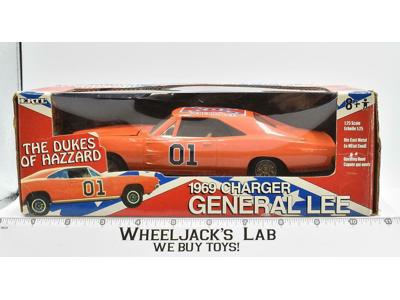
Die cast metal and tin material toys need a bit different cleaning than plastic and vinyl, though both are solid and smooth materials. For these toys, starting out with a light dusting is always a great first step. With this dusting, use a microfiber towel, cotton swabs, tissue, or soft brush.
With many die cast cars and vehicles, small crevices such as around the wheels, on the bottom, inside the vehicle, and other details cause dirt and grime to build up over time. When dusting, it’s important to focus on these areas to try and get the dust and grime off as much as possible without being too harsh.
On many of these toys, using a slightly damp microfiber cloth also works well. As always, be extra gentle on any painted areas and sticker decals to allow for the best care and avoid any damage to the toy. Whenever cleaning diecast metal and tin with a damp cloth, dry immediately to avoid water marks and paint fading.
For tougher dust and grime spots or light rust, some collectors find white vinegar on a cotton swab especially helpful. However, anything other than a light dusting and slightly damp cloth is recommended to be tried last. If you have multiple of the same material and type of toy to clean, starting with the least expensive toy is the most beneficial in case any damage does occur.
Plush and Stuffed Toys
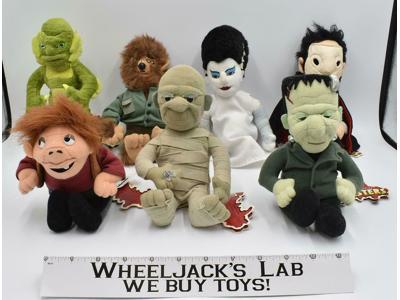
Plush and stuffed toys cause special attention and care when cleaning. Since plush toys are a soft fabric surface filled with soft materials, factors such as deformation, staining, and mold easily occur. Along with these, soft plushies keep smells for longer, especially those that are vintage and stored in areas such as garages, basements, or attics.
To clean these toys, start by lightly dusting around the face of a stuffed animal or doll and along any seams using a soft makeup or painters brush. Over time, fur and fabric materials on these toys can get matted down. An effective way to fix this is to use a baby brush, clean toothbrush, or something similar to detangle the fur and fix the direction it lays. While grooming and fixing the fur or fabric on plush toys, gentleness is necessary to not pull out the fur and fabric but to simply help it look better than before.
Packaging
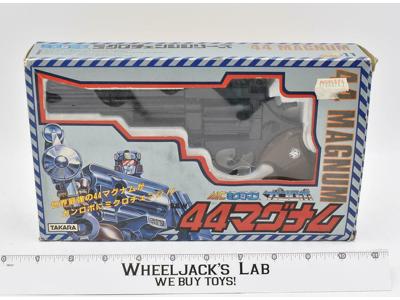
For action figures, always note if it’s a loose or carded item. Carded items are toys still remaining with their packaging of plastic bubble casing and cardboard paper cardback. Never spray or soak packaging in liquid of any kind. Most packaging has cardboard and paper of some kind, making these targets for damaging with liquid cleaning products.
Along with this, bubbles and plastic windows can show yellowing that become very brittle over time. Liquid cleaning products and soapy water are the most likely to fade coloring on cardboard and paper as well as create warping and stains. For keeping packaging clean, dusting with a microfiber cloth or lightly with a cleaning wipe will keep your items in good condition and away from damage.
Preservation and Storage
After cleaning, it’s always important to continue preserving and storing your vintage toys properly to keep their condition and value long-term. In order to preserve your vintage toys, storage is one factor. The other one is ongoing maintenance of your toys. To keep vintage toys that are on display in good condition, it is important to dust the area around the toys about every other week.
Then, also for toys on display, a full cleaning will benefit these toys every 6 months to a year. This will ensure your toys aren’t getting cleaned and handled too often to cause damage but will be cleaned often enough to keep their value. Again, it’s always important to remember that less is more when cleaning vintage toys. Also, it will be beneficial to ask professionals with any questions you may have and avoid cleaning if you think you will cause damage to the toy.
When storing toys, storage bins with a closed lid work well for action figures and other smaller toys to keep them away from any external damage. When vintage toys remain enclosed in plastic or acrylic, they are much more protected from temperature and humidity changes as well as pests and dust particles causing damage.
Storing vintage toys in a safe and enclosed area with climate control has shown to be especially beneficial. Proper cleaning and storage over long periods of time will keep your vintage toys safe without hurting their value.
Final Thoughts
Though vintage toys are often fragile and difficult to clean, striving for preservation rather than perfection and understanding the safest and best ways to clean your toys regularly will ensure your most loved items will keep their value for years to come. Learning the difference between the types of toy materials and parts of toys that need extra care will help keep your toys looking fresh and ready to be preserved for years to come or ready to sell at any moment.
Do You Have Old or Used Toys?
Don’t let your collection sit in storage gathering dust—turn it into cash! At Wheeljack’s Lab, we specialize in evaluating and buying vintage and used toys, from single standouts to entire collections.
Our friendly, expert team has decades of hands-on experience in collectible toys, so you can expect honest evaluations and a smooth process from start to finish. Ready to sell? Call us at 888-946-2895 and let’s get started.
About the Owner, Chris Ingledue
Chris is the founder and owner of Wheeljack’s Lab Pop Culture and Toy Shop. His vision has always been to reconnect collectors with the toys and pop culture that shaped their childhoods—sparking memories, nostalgia, and imagination along the way.
Each day in the “Lab” feels like Christmas year-round. From scouring the internet for the next great treasure—much like flipping through the Sears Catalog of years past—to eagerly awaiting the postman’s arrival like Santa himself, Chris lives and breathes the thrill of the hunt. Helping collectors around the world experience their own version of Christmas is what makes being a vintage toy buyer an absolute joy.