Behind the Box Art: How Toy Packaging Shaped 1980s Marketing
The 1980s showcased so many awesome toy lines that impacted culture in so many ways. Kids all over the world felt they needed to get their hands on these incredible toys, and this wasn't by accident. Toy companies used creative strategies to market their toys in a way that enticed kids to desire these items. With the demand of so many different toys in the 80s, each toy company desired to stand out among the rest, and this included the art on their packaging. Have you ever wondered how much thought goes into marketing through the packaging of toys?
The first thing that children see when walking through the toy aisle at a store, before the toy itself, is the packaging. Because of this, in order to keep sales up and to keep kids interested, many creative marketing strategies took place. Follow along with us through our blog to see how toy packaging shaped 1980s marketing. See the creativity behind the innovative box art.
Join Us in Seeing How Toy Packaging Shaped 1980s Marketing
Follow along in our blog with us as we dive into the fascinating strategies used for marketing through the 1980s box art. Throughout this blog we will mention the many factors including the multimedia connection, collectible value, creative storytelling, gendered play patterns, and catchy slogans. All of these factor into how toy companies strategized to best sell their products.
Multimedia Connection
First up on our blog about how toy packaging shaped 1980s marketing, we will mention the multimedia connection. In the 1980s, toy companies also utilized multimedia platforms such as television to create cartoons or films that promoted the toys. This developed the "cartoon connection".
Through the 80s, these cartoons basically acted as 30-minute-long commercials to promote the toy line. The goal here was to capture children with the television shows to see the characters in action which made them want the toys as well. This also developed much more plot to the action figures, vehicles, and playsets where kids got to know the characters better and could even act out their favorite scenes when playing with the toys.
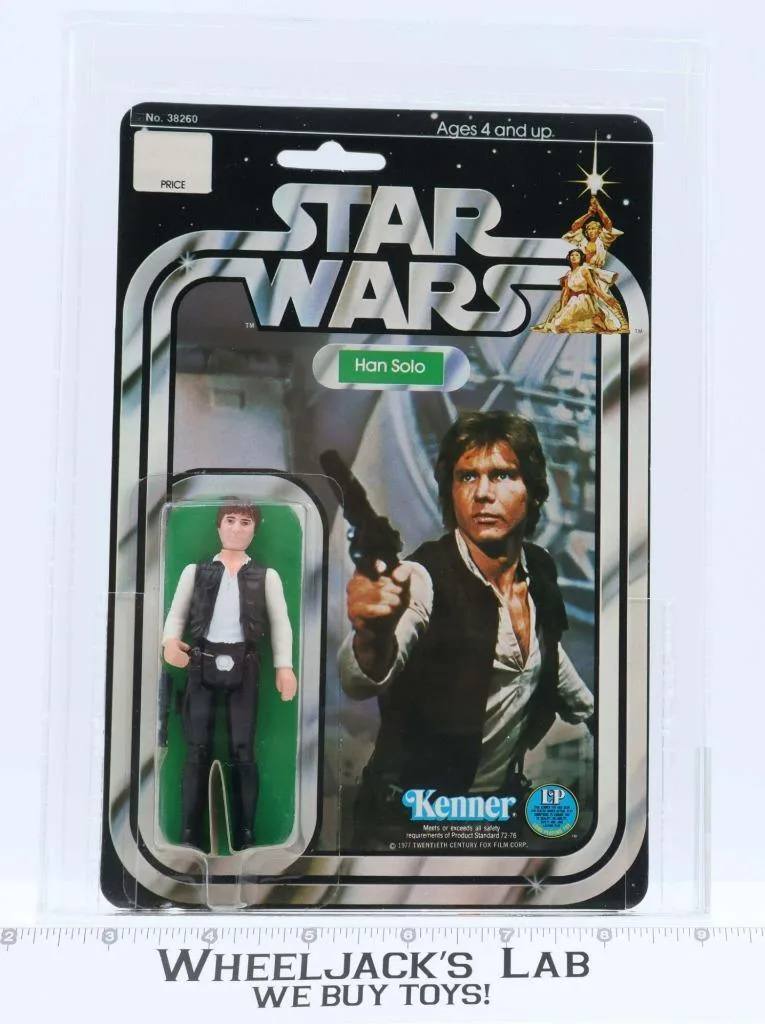
In addition to this, these companies became very creative when it came to their toy's packaging. Instead of using an image of the toy on the outside of the box or cardboard back, they used an image of the character from the television series or film. The character appears on the front of the package in an epic battle scene or an image that shows the character's true personality.
This way, when kids walk down the aisle at a store, they recognize the character on the image from when they previously watched the cartoon or film connected to the franchise. Then, from watching the show already, they love the characters and wish to own the corresponding toys to play with, too. This marketing strategy geared towards children caused so many sales to go up and helped promote both the toys and the cartoons or films as well as any other multimedia tie-ins.
Collectible Value
Next up, we will mention the collectible value that the box art of 1980s toys added. This next marketing strategy, collectible value, made an impact because it persuaded more people to want these toys. The unique designs of art on the covers of toy boxes and carded figures captured the attention of many people and, since they were unique, they added value to the collectability factor of the toys.
Along with this, today these 80s toys make a huge impact on the vintage toy market, especially ones in mint condition with their original packaging. Since those unique designs of the 80s no longer appear the same on packaging today, they often get sought out by buyers desiring to add them to their own toy collections.
Limited edition items also typically featured limited edition box art which showed rarity back then since only a small number produced, and show even more rarity today since even less are still around. These limited editions capture the eyes of people walking through the store and excite people through the anticipation of their release. They know of the rarity of the art and of the toy itself which adds more value to the collecting aspect.
Creative Storytelling
The 1980s box art was filled with creative storytelling to immerse fans deeper in their love for the characters. Awesome action shots of characters fighting and dream lifestyles of favorite dolls all made the packaging that much more appealing to children all over the world. Box art designs of the 1980s intended to make children feel like they immersed into the awesome fantasy world of their favorite toys.
The action scenes on the box art brought the characters to life, as fans recognized the scene and characters on the image. Also, the action scenes brought expression to the characters, giving off a certain mood of the items inside before ever opening up the packaging. Some toy lines such as He-Man Masters of the Universe and G.I. Joe also include ongoing storylines through their packaging, making it essential to the storyline, in some cases, to purchase their toys.
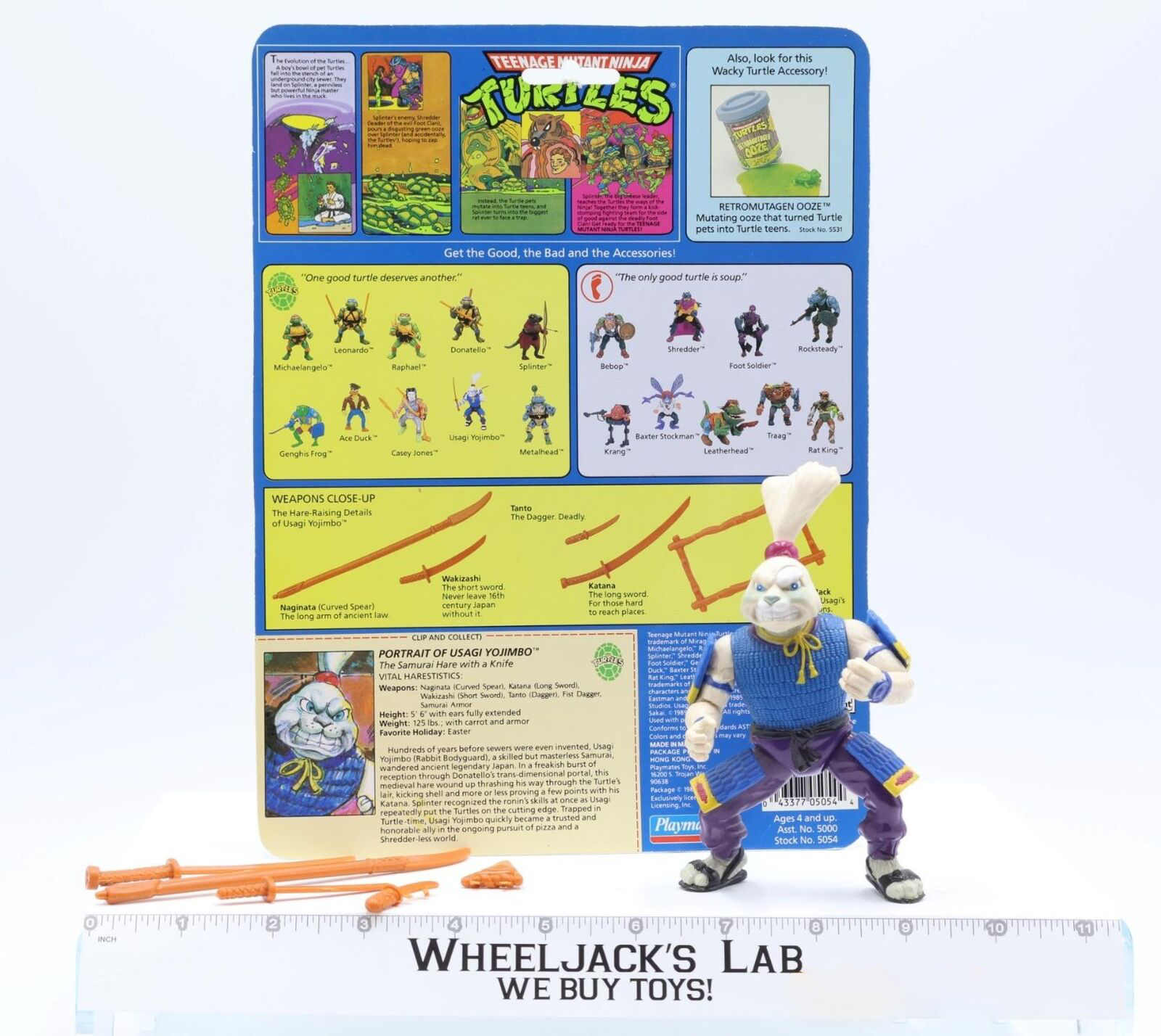
Along with the art on the boxes, toy lines such as Teenage Mutant Ninja Turtles and G.I. Joe figures included file cards on the backs of bubble packaging. These included a snapshot of the character you purchased. It listed certain characteristics of the character such as a fun fact or something that gave more insight into the character's personality.
Also, these file cards listed the fantasy size, height, and weight of the character as if it were in real life, bringing the consumer more into their world. Typically, these file cards also featured a short storyline of the character or of the whole franchise to introduce the plot or add onto it. The creativity added greatly to marketing of the 1980s by making their toys so desirable.
Gendered Play Patterns
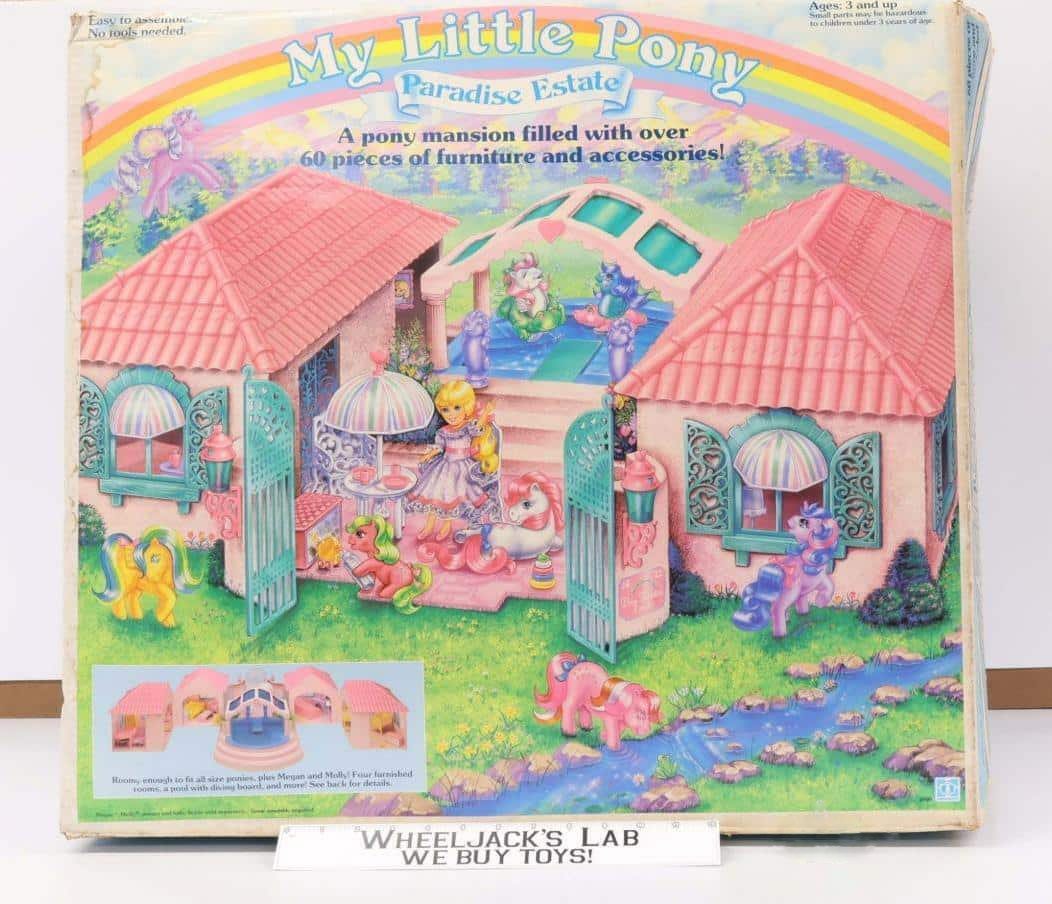
Next on our blog, we mention how the gendered play patterns impacted the marketing strategies for box art on toys. Toy companies utilized shades of color and themes to gear towards their intended audience in such a specific way. For toys more geared towards girls, toy companies often used softer and brighter tones of colors on the box art.
Then, for toys more geared towards boys, toy companies tended to use deeper and darker tones of colors on the box art. Similar to this, toy companies strategized to make the box art more whimsical and harmonious for girls while toys geared towards boys often showed more action and conflict within the characters on their box art.
For instance, some toys geared towards girls such as Barbie and My Little Pony featured box art that included colors like pink and purple. These boxes also illustrated more harmonious scenes like two friends getting along. Then, for some toys geared towards boys such as Transformers and He-Man Masters of the Universe, toy companies used colors such as black, blue, and red. The art on these boxes also sometimes showed some action scenes between characters or gave the characters fierce facial features to give off the same appearance.
Catchy Slogans
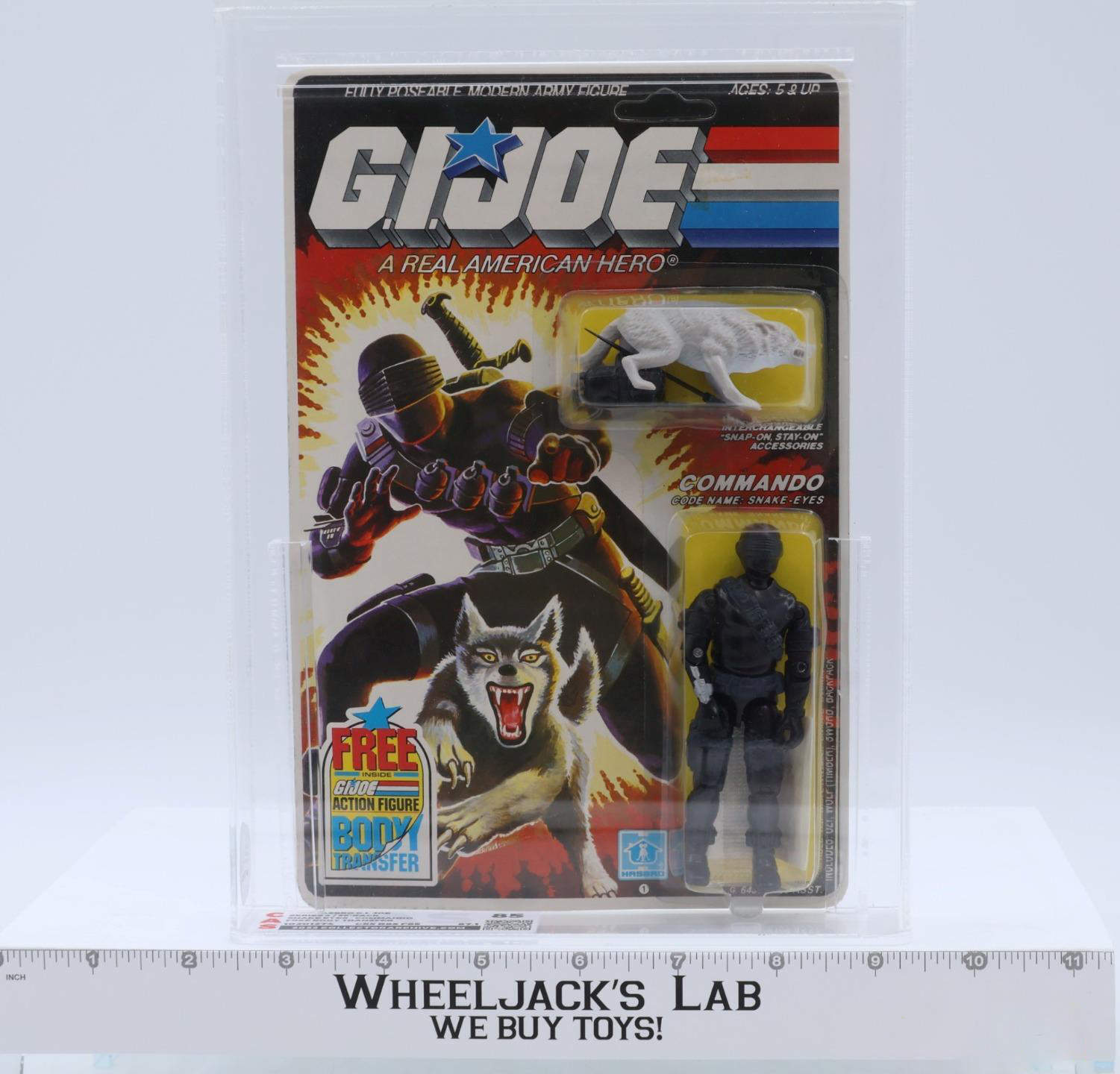
Another marketing tool creatively utilized by box artists are catchy slogans. Often times, these slogans also showed up as a catchphrase by favorite characters in the cartoons or films. Other times, they appeared in commercials for the toys. Either way, placing these slogans or catchphrases onto the box's packaging proved to be incredibly smart. Fans recognized these slogans and catch phrases from the toys, shows, commercials, or other media platforms. Since they appeared so often, many people chanted them or sung them. Many of these were designed in such a way to make them catchy so they would stick in people's minds, further promoting their toys.
Many toys included these slogans and catchphrases. Some of these include Transformers, Teenage Mutant Ninja Turtles, and G.I. Joe. On the Transformers packaging, the words "More Than Meets the Eye" appears next to the logo. This references toward the epic transforming aspect of the toys, allowing people to think about their fantasy world of change through transformation.
Then, Teenage Mutant Ninja Turtles packaging included the phrase "Heroes in a Half Shell". The TMNT characters definitely proved to be heroes and this phrase captured just that. Lastly, G.I. Joe showcased their slogan of "A Real American Hero" luring towards the military theme and just who the character G.I. Joe was.
Final Thoughts
The 1980s box art included so many factors that played into marketing strategies and the overall promotion of their toys. This led to so many franchises exploding in popularity, the "toy craze", and cultural impacts that still remain today. 1980s packaging art reflected key trends of the decade, making them eye catching in stores. They also utilized key marketing strategies that we still use today since they proved to be so effective.
Do You Have Old or Used Toys?
Don’t let your collection sit in storage gathering dust—turn it into cash! At Wheeljack’s Lab, we specialize in evaluating and buying vintage and used toys, from single standouts to entire collections.
Our friendly, expert team has decades of hands-on experience in collectible toys, so you can expect honest evaluations and a smooth process from start to finish. Ready to sell? Call us at 888-946-2895 and let’s get started.
About the Owner, Chris Ingledue
Chris is the founder and owner of Wheeljack’s Lab Pop Culture and Toy Shop. His vision has always been to reconnect collectors with the toys and pop culture that shaped their childhoods—sparking memories, nostalgia, and imagination along the way.
Each day in the “Lab” feels like Christmas year-round. From scouring the internet for the next great treasure—much like flipping through the Sears Catalog of years past—to eagerly awaiting the postman’s arrival like Santa himself, Chris lives and breathes the thrill of the hunt. Helping collectors around the world experience their own version of Christmas is what makes being a vintage toy buyer an absolute joy.